
How Ceramic Coating Supports Easier Bug and Tar Removal to Protect Your Car
Keeping your car looking clean and shiny can feel like an endless battle, especially when bugs and tar stick stubbornly to the paint. What if there was a way to make those pesky messes wash off with far less effort? Ceramic coating offers just that: a smart layer of protection that does not just hide grime but actually helps keep it from sticking in the first place. This technology turns tough cleaning jobs into simple rinses, saving time and protecting your paint from damage along the way. Ceramic coatings create a protective, hydrophobic, and oleophobic layer on a vehicle's paint that repels water, oils, and acidic substances found in bug splatters and tar. This prevents these contaminants from bonding strongly to the surface, allowing them to be removed more easily through gentle washing without harming the paint.
How Ceramic Coating Protects Your Vehicle
Ceramic coating forms a durable, invisible shield over your car's paint, bonding at a molecular level rather than just sitting on the surface the way wax or sealants do. This bond means the coating is not easily washed or worn away. Instead, it acts as a sacrificial layer designed to protect the paint underneath from chemical damage. Unlike traditional wax, which may last only a few weeks, a quality ceramic coating can stand up to the elements for years with proper maintenance. What makes this layer so effective is its chemical composition. These liquid polymers cure into an extremely hard surface, offering impressive resistance against the acidic compounds found in bug splats. Those acids can quickly etch softer clear coats if left unattended, especially under warm, sunny conditions where UV light accelerates damage. A ceramic coating's resilience allows it to repel these acids before they can penetrate or degrade the clear coat.
Another significant advantage lies in the coating's hydrophobic and oleophobic properties. Hydrophobicity means it repels water and water-based contaminants such as rain, mud, or bird droppings, making them bead up and slide off rather than sticking stubbornly to the paint. Oleophobicity extends this repellent effect to oils and solvents found in bug splatter and tar, which is a key factor that simplifies cleaning. This slickness reduces how firmly bugs and tar adhere to your vehicle's surface, substantially lowering the effort required during washes. Because ceramic coatings reduce adhesion significantly, it often takes just a gentle rinse or light wipe with soap and water to remove these contaminants before they settle in and cause harm.
Ceramic coatings also provide remarkable UV protection by blocking the majority of harmful ultraviolet rays. UV exposure is a silent destroyer that gradually oxidizes paint over time, leading to fading and dullness of the clear coat. The combination of chemical resistance and UV shielding keeps your paint vibrant and intact far longer than untreated surfaces. To maximize protection, it is critical to let the ceramic coating fully cure before exposing your car to heavy bug exposure or washing treatments, typically one to three weeks depending on the product. During this period, avoid aggressive detergents or harsh cleaning methods that could disrupt the bonding process.
Hydrophobic and Dirt-Resistant Properties
At its core, a ceramic coating acts like an ultra-slick shield over your car's paint. This shield is recognized for its hydrophobic nature, which literally means "water-fearing." When water lands on a ceramic-coated surface, it forms tight, round beads instead of spreading out flat. Think of raindrops sliding effortlessly off a duck's back; your car's paint behaves the same way under this coating. This water repellency does not merely keep your vehicle dry. It also carries away dirt particles on the surface, significantly reducing grime buildup. The science behind this technique involves surface energy. Ceramic coatings lower the surface energy of your paint considerably, which means less stickiness for contaminants like dust, mud, and insect residue. Simply put, the dirt's grip weakens dramatically, making washing a much lighter task compared to uncoated cars.
When bugs crash into your vehicle or tar deposits collect on your fenders during a highway drive, they do not bond as aggressively with the surface beneath the ceramic layer. This reduced adhesion is crucial because bug splats are acidic and can quickly damage paint if left untreated. The coating's strong repellency even resists oily or solvent-soluble compounds found in some bug residues, ensuring an extra barrier against stubborn grime. This slickness also helps with maintenance timing. Whereas bug residue on unprotected paint might etch in within hours if exposed to sun and heat, on ceramic-coated surfaces you have a bit more leeway, though prompt cleaning always remains ideal.
Once fully cured, the hydrophobic effects of a quality coating can last from one to several years with regular upkeep. Dirt resistance is not just about repelling water or oils individually. It extends to all manner of contaminants, including road dust, brake dust, and bird droppings, each finding it increasingly difficult to settle on the vehicle's surface. Such resistance leads to fewer wash days and also prevents grime from dulling your paint through repeated cleanings.
For anyone invested in preserving their car's look without endless scrubbing, maintaining ceramic coatings with neutral pH shampoos formulated specifically for coated vehicles is advisable. These products avoid stripping away that delicate hydrophobic layer while enhancing gloss and slickness. When tougher stains arise, gentle chemical bug and tar removers designed for use alongside coatings can provide targeted cleaning without causing damage. Hydrophobicity combined with robust dirt resistance means fewer headaches for car owners navigating buggy summer drives or dusty country roads. You get cleaner surfaces faster and more safely, which is a quiet victory for both your time and your vehicle's finish.
Applying Ceramic Coating for Best Results
Proper application of ceramic coating is the foundation for achieving long-lasting protection against bug splats, tar, and other contaminants. It starts well before you ever touch the coating itself. Your car's paint must be impeccably clean because any dirt, oils, or residues trapped under the coating will interfere with its bonding and durability. After washing your vehicle thoroughly, drying it completely is critical. The coating needs a dry, grease-free surface to adhere correctly. If you skip this step and apply the coating on a damp or dirty surface, you risk uneven coverage and reduced performance.
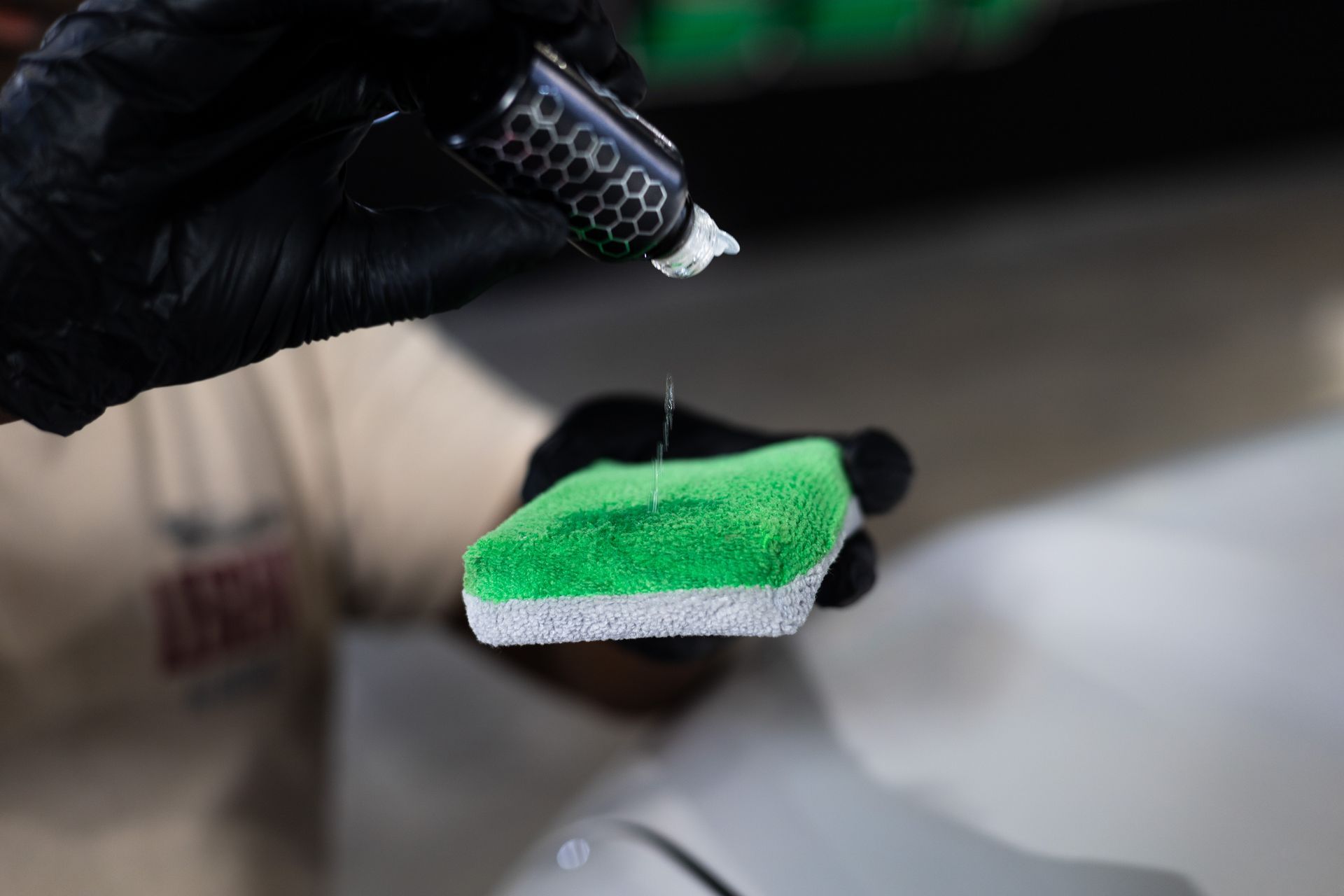
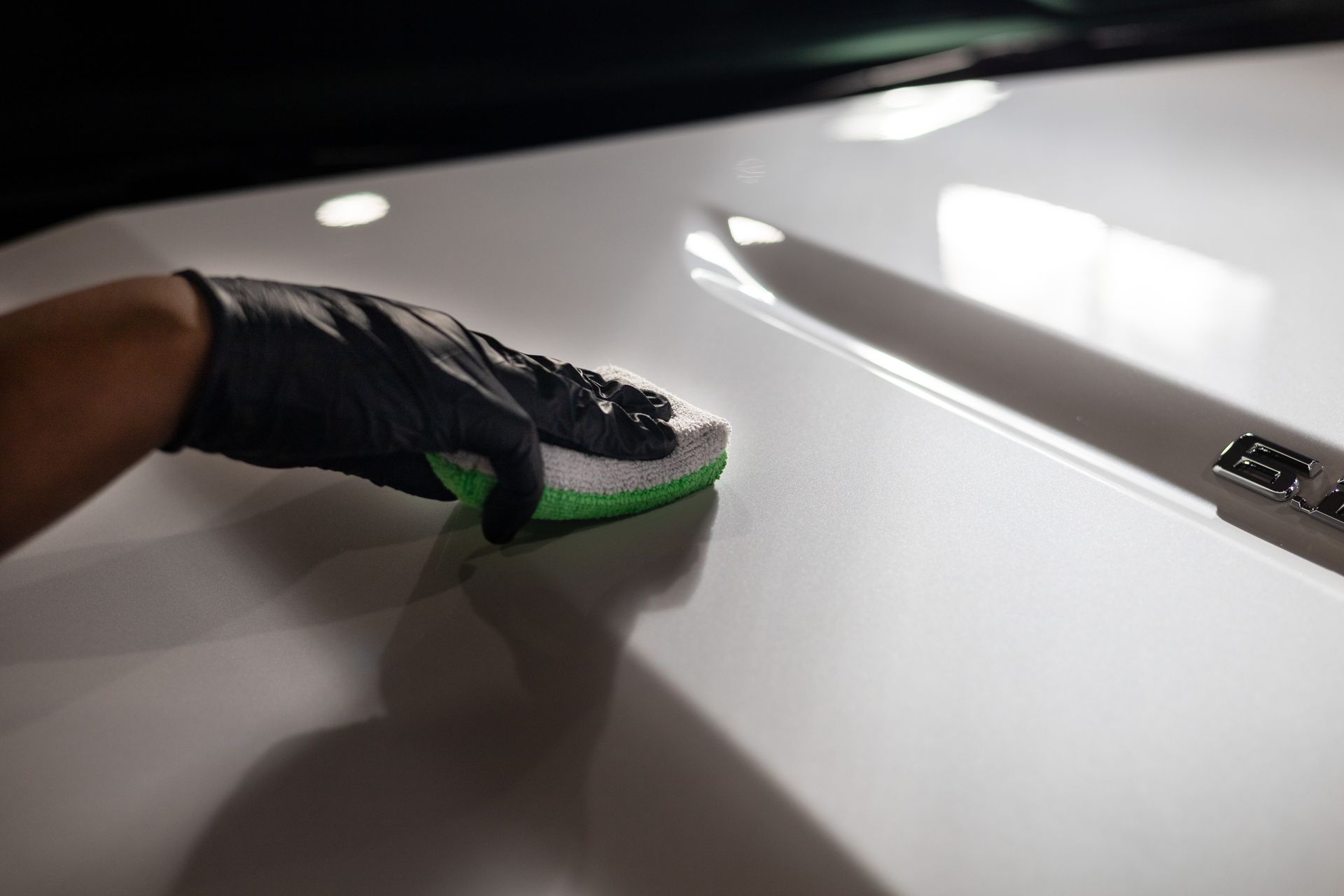
This initial preparation often involves polishing or claying the paintwork to remove stubborn grime and minor surface imperfections. Polishing is not just cosmetic. It creates a smooth canvas that allows the ceramic molecules to bond directly with the paint. Think of it like laying wallpaper: you want a smooth wall, not one dotted with bumps and uneven textures. The process may require some elbow grease or professional tools to restore clarity and ensure even coverage. Once your car's surface is prepped, apply the ceramic coating in small, manageable sections. Using a microfiber applicator pad helps you spread an even, thin layer precisely where needed. This step demands patience, as rushing leads to excess product pooling or streaks that can harden into hazy spots. A methodical approach ensures every inch receives consistent coverage without waste.
After applying each section, allow the coating to flash off briefly while the solvents begin to evaporate and the formula sets. Then wipe away the excess with a lint-free microfiber cloth, typically within minutes depending on ambient temperature and humidity. This wiping phase is vital for a glossy finish free of hazing. Finally, curing time varies by product but is often between 24 hours and several days, during which your car should avoid exposure to water or contaminants. Patience here pays dividends. Prematurely washing or using harsh chemicals can undermine the bond you have so carefully laid down. This careful technique ensures your vehicle benefits from a strong ceramic barrier that resists acidic bug splats and sticky tar, making future cleanings easier while preserving your paint's shine longer than traditional products.


Long-Term Maintenance Tips
To keep a ceramic coating functioning at its best, you have to treat it with care. The first important rule is to avoid harsh chemicals or abrasive cleaning tools, as these can wear down the coating's protective layer faster than the contaminants it is designed to repel. Instead, opt for pH-neutral car shampoos. These gentle cleansers work without stripping away the ceramic's protective finish. Using a soft microfiber cloth or mitt helps prevent surface dullness that undermines the hydrophobic effect.
Washing your vehicle regularly is also a crucial step. Dirt and grime are relentless, settling on every curve and crevice, especially if you let bugs bake under sunlight for days. Frequent washing prevents contaminants from embedding themselves, which would challenge even the toughest coatings over time. After washing, skipping proper drying can cause water spots that temporarily affect clarity and glossiness. A soft microfiber drying towel gently wicks water away, leaving a streak-free shine. Periodically applying a quick detailer spray designed specifically for ceramic coatings can further amplify performance by restoring hydrophobicity and oleophobicity, replenishing the microscopic surface structure that repels water and oils.
Consider environmental factors as well. Parking in garages or using breathable car covers shields the coating from excessive sun exposure and organic fallout like tree sap or bird droppings, both of which can prematurely age your coating if left untreated. Inspecting your coating's condition periodically using simple water beading tests helps catch any wear early so you can intervene with maintenance sprays before problems arise. Keeping the ceramic shield fresh is truly about establishing a routine that respects both the science behind the coating's chemistry and the realities of everyday driving. This kind of attentive care preserves the integrity of your paintwork against nature's most persistent threats season after season.
Best Ceramic Coating Installation in Portland, ME
Tired of dealing with stubborn bug splatter and tar that cling to your vehicle after every drive? Every Detail offers
top ceramic coating services in Portland, ME designed to create a slick, protective surface that helps contaminants release more easily during routine washes. With precise application techniques and long-lasting protection, your vehicle stays cleaner while maintaining a deep, glossy finish that holds up against daily exposure. Trust a team that focuses on proper preparation and durable results so you spend less time scrubbing and more time enjoying a well-maintained ride.
Schedule your ceramic coating service with Every Detail today and experience easier maintenance firsthand!