The Right Time to Schedule Professional PPF for a New Vehicle: Expert Tips to Protect Your Paint
When you buy a new car, keeping it looking fresh and flawless for as long as possible is a top priority. One of the smartest moves you can make is investing in paint protection film (PPF). But timing matters more than most people realize. Applying PPF too late means your paint could already have tiny scratches or damage that is hard to undo. This guide walks you through why getting professional PPF applied early gives your vehicle the best defense and helps it stay showroom-ready for miles to come.
Why Choose Professional PPF?
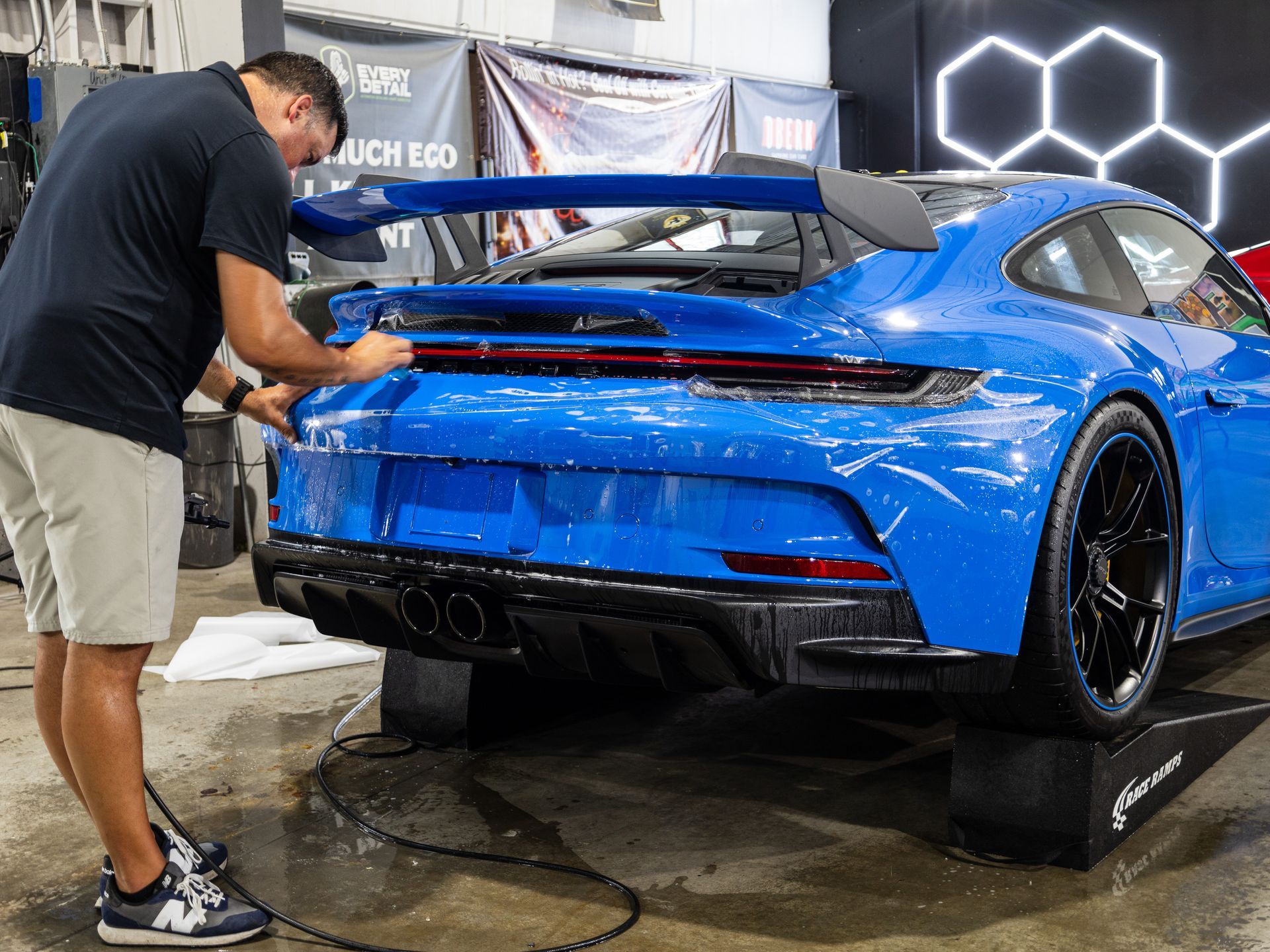
Applying PPF yourself might sound like a budget-friendly option, but professional installers bring something essential to the table: refined experience and skill. This expertise translates directly into a flawless finish that will not trap dust or bubbles beneath the film, issues that often plague DIY attempts. Without proper technique, even the best film can peel prematurely or show imperfections that affect your vehicle's appearance. What sets professional work apart is the use of high-grade materials that do more than sit on top of your paint. These films actively protect it by absorbing minor surface damage and resisting environmental wear over time. Professional-grade PPF is designed to last years without yellowing or cracking, making it a worthwhile investment for any vehicle owner.
Professionals also use advanced tools such as precision cutting machines and design software to tailor each film piece to the exact shape of your car's body panels. This means the film hugs curves, edges, and crevices without gaps or overlaps. At home, achieving this level of accuracy is nearly impossible without specialized equipment. Heat tools calibrated to specific temperatures allow experts to stretch and settle the film exactly where it belongs, eliminating bubbles caused by improper adhesion. In short, professional PPF installation maximizes the strength, clarity, and longevity of the film through skillful application and superior equipment. Choosing experts means investing in peace of mind, knowing your vehicle's appearance will stand up to daily wear and tear far better than any quick fix can provide.
Optimal Timing for PPF Installation
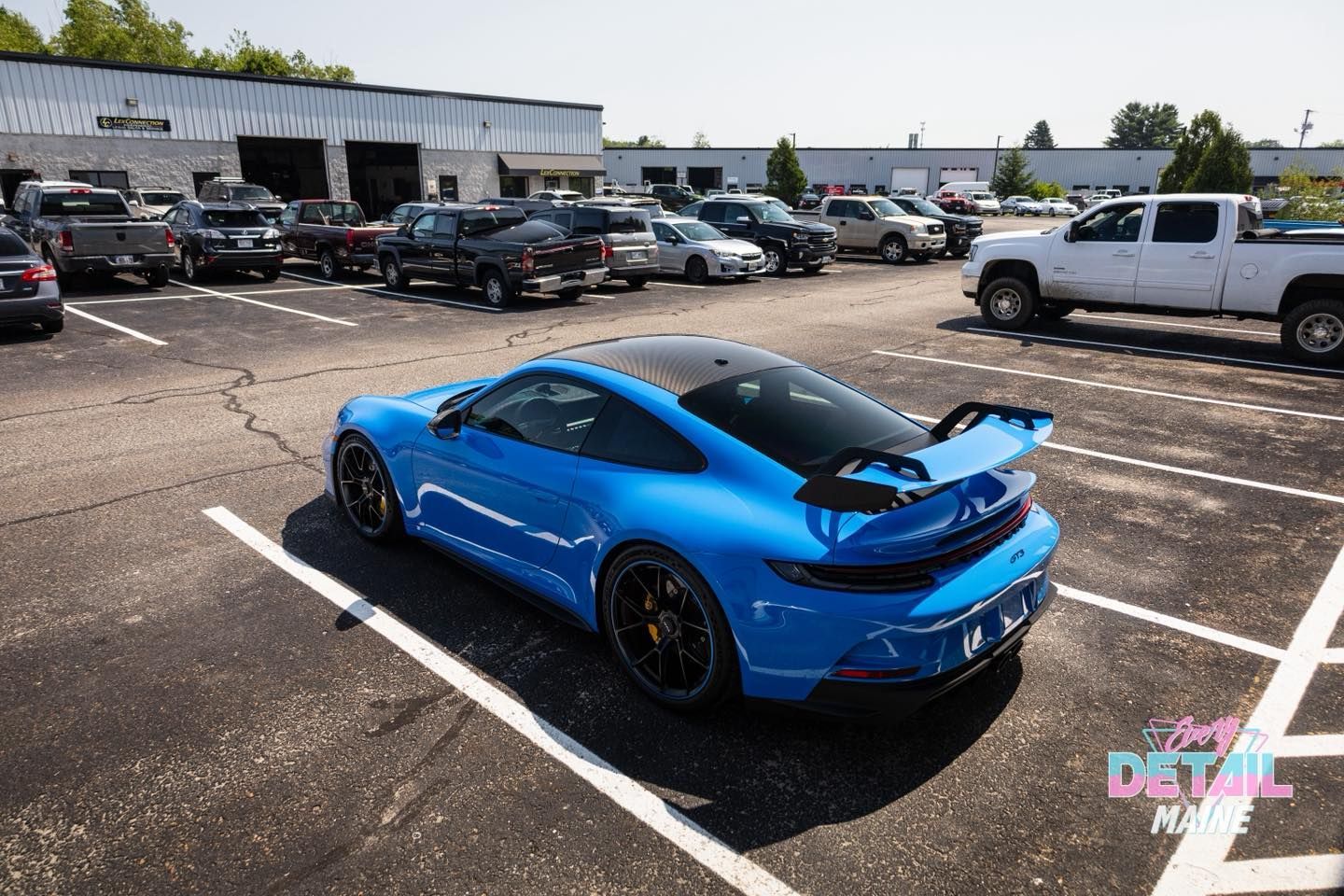
The best time to protect your new vehicle's paint is not a casual decision. Scheduling your PPF installation as soon as possible after purchase, ideally before the first drive exposes it to road debris, dirt, or harsh weather, gives that durable barrier the best chance to preserve the vehicle's pristine look from day one. Most car experts agree that the first month of ownership is your golden opportunity. Once your car has faced exposure from highway debris, bird droppings, or UV rays, the surface begins accumulating microscopic damage that is invisible to the naked eye but harmful over time. Applying PPF during this early phase locks in a fresh paint finish and prevents initial damage that can lead to costly repairs later on.
Considering Weather Conditions
Beyond timing, environmental conditions also play a major role in how well and how long PPF lasts. The climate where you live often determines the best season for installation. Higher temperatures can improve adhesive bonding by increasing molecular activity, allowing the film to stick more effectively and creating a seamless shield. However, extreme heat requires skilled installers to work quickly and prevent premature adhesive drying. Spring and fall offer mild temperatures that provide an ideal environment for both the installer and the film. With fewer temperature-related challenges, these seasons tend to produce smoother installations and promote optimal curing of the adhesive without risking defects.
Winter installs come with unique challenges. Cold weather slows adhesive activation, and moisture can interfere with proper application, leading to bubbles or poor adhesion. Indoor facilities with controlled temperatures are essential for cold-weather installations. When possible, coordinate your appointment during periods when temperatures stay between 60°F and 80°F, as this range helps installers work efficiently while maximizing film performance.
Finding a Certified PPF Installer
Certification is more than just a badge. It is an assurance that the installer has undergone proper training and is competent in applying paint protection film correctly. Even the best film can fail prematurely if not installed by someone with the right knowledge and technique. Start by conducting thorough online research. Look beyond basic advertisements and read customer reviews on trusted platforms where enthusiasts share their experiences. Reviews often reveal whether installers pay attention to detail, meet deadlines, and stand behind their work.
Reliability and professionalism should carry as much weight as technical skill. Once you have shortlisted candidates based on reputation, visit shops in person. A well-equipped and organized facility speaks volumes about professionalism. Ask about their installation process, how they prepare surfaces, manage temperature control, and ensure a bubble-free application. Viewing examples of previous work allows you to judge quality firsthand before entrusting your vehicle to their care.
What to Expect During Installation
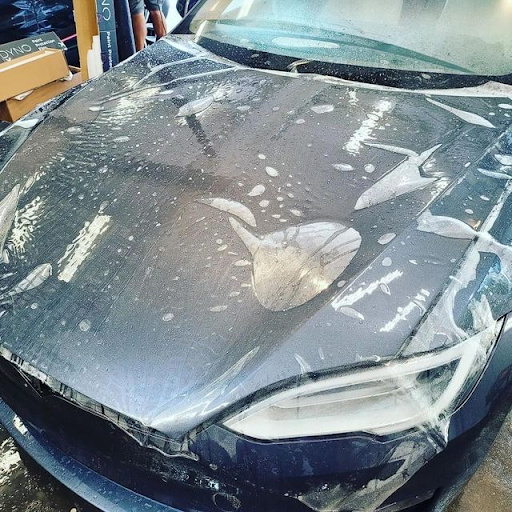
The paint protection film installation process begins with thorough preparation of your vehicle's surface. The installer will spend time washing, decontaminating, and in some cases, polishing the paintwork. Every bit of dirt, oil, or residue can weaken the bond between the film and your car, so this step is non-negotiable. Think of it as laying a flawless foundation before building a house.
Once the surface is properly prepared, each section of film is cut to fit specific parts of your vehicle's body, from broad panels down to intricate curves around mirrors and bumpers. Depending on your car's size and complexity, this process can take anywhere from four to eight hours. Installers use precision tools and solutions to position each film piece correctly before bonding it to the paint. Any rushed moves can cause wrinkles, bubbles, or stretching that compromises both appearance and protection.
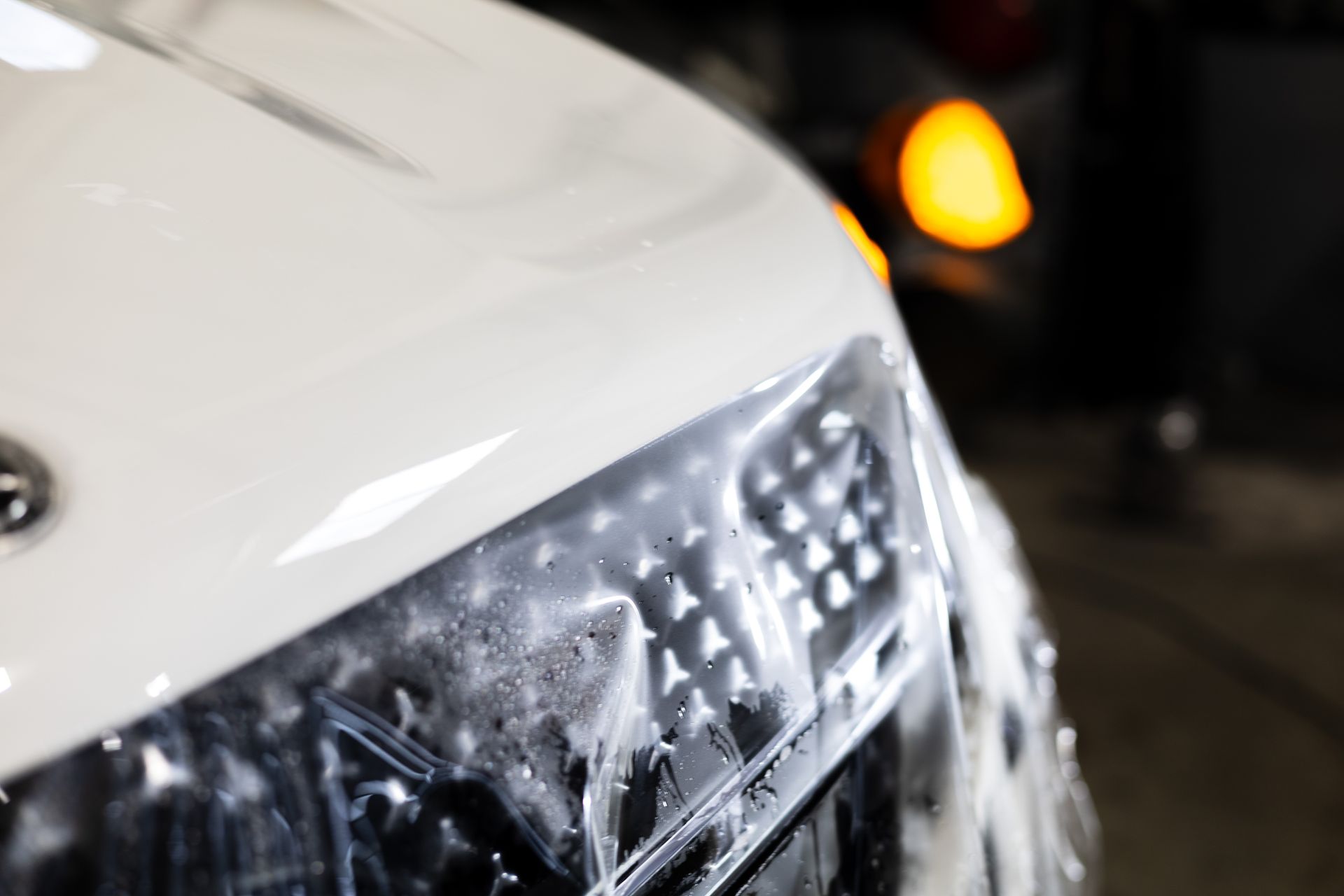
After applying every segment, a detailed quality control inspection takes place. Installers scrutinize the entire surface for trapped air bubbles or imperfections and address them immediately through gentle reheating or smoothing techniques. This final step ensures an invisible fit that blends seamlessly with your car's finish, allowing the film to properly guard against scratches, stains, and UV damage.
Post-Installation Care Tips
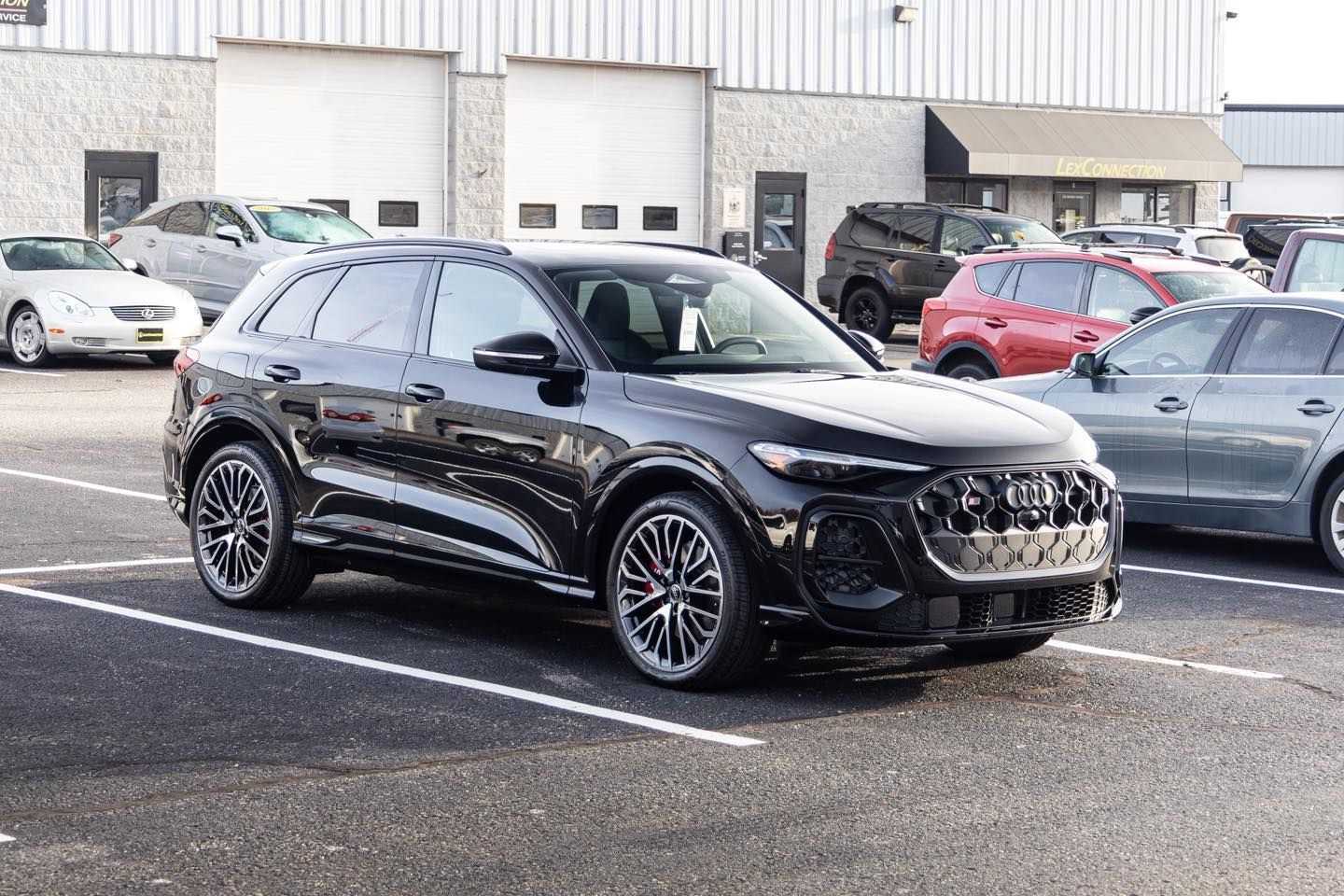
Proper care begins immediately after installation. For the first 48 hours, avoid washing your vehicle. The film is still curing and bonding to your car's surface during this time, and even gentle washing or rain exposure could disrupt this process and lead to poor adhesion. Once this curing period passes, your ongoing maintenance routine becomes the key to long-lasting results. Always choose cleaning products formulated for protective film surfaces, using pH-balanced soaps and soft microfiber cloths.
Avoid automatic car washes with stiff brushes or harsh detergents, as abrasive action can degrade the film over time. Gentle hand washing preserves clarity and keeps your investment looking its best. Additionally, remove bird droppings, tree sap, or bug residue promptly, as these contaminants can damage the film if left for too long. Regular inspections also help you spot any lifting edges or early damage so repairs can be made before issues worsen.
Long-Term Benefits of PPF
Investing in PPF is a strategic decision that pays off over the lifetime of your vehicle. Without protection, ultraviolet rays gradually dull and fade paint. Bird droppings and tree sap can etch into unprotected surfaces, leading to stubborn stains and costly repairs. With PPF acting as a sacrificial shield, these threats never reach your car's exterior. Beyond physical protection, PPF also supports your vehicle's financial value. Cars with well-maintained paint tend to command higher resale prices compared to similar models showing visible wear and tear. Potential buyers associate a pristine exterior with overall care and reliability, making protected vehicles more attractive on the market.
Maintenance is also simplified with PPF in place. The film's smooth surface repels dirt more effectively, making simple wash-downs sufficient for regular upkeep. Minor scratches and swirl marks are absorbed by the protective layer rather than leaving permanent marks on the paint itself, reducing the need for frequent polishing or touch-up work. Modern PPF is engineered as a sophisticated multi-layered material designed to absorb impacts and resist discoloration. Its outermost layer contains UV inhibitors that prevent sunlight from breaking down paint pigments. Beneath that lies an impact-absorbing core that flexes under stress rather than transferring damage to your vehicle's surface. Many current formulations also include properties that allow minor surface marks to diminish when exposed to heat from the sun or warm water.
Ultimately, the wisdom behind applying professional PPF early is clear. Prolonged beauty, enhanced market value, and simplified maintenance combine into a stronger shield against time itself. Choosing to protect your vehicle right away turns what may seem like an added cost into undeniable long-term savings and satisfaction.
Leading PPF Experts in Portland, ME
Getting PPF applied at the right time can make all the difference in preserving your vehicle’s finish, and Every Detail delivers
professional paint protection film services in Portland, ME designed for long-term results. Our team focuses on precise installation, proper surface preparation, and high-quality materials that help guard your paint from daily wear right from the start. Whether your vehicle is fresh off the lot or still in pristine condition, acting early helps maintain that clean, well-kept look for years ahead.
Schedule your PPF service with us today and protect your investment with confidence from day one!