
Ceramic Coating for High-Mileage Cars: Is It Worth It?
Here's the honest answer most articles won't give you: ceramic coating for high-mileage cars is worth it for some cars and a waste of money for others. The number on your odometer isn't what decides it. The condition of your paint is.
A car with 150,000 miles and a healthy clear coat is a strong candidate. A car with 60,000 miles and a failing clear coat is not. Coating the second one just
locks the damage in place. So before you book anything or buy a kit, you need to know which situation you're in. This guide gives you a simple way to check if your car qualifies, explains what the process involves, and tells you what to do if your paint isn't a good candidate.
Key Takeaways
- Mileage doesn't decide if coating is worth it. Paint condition does.
- Sound clear coat means you're a good candidate. Failing clear coat means you repaint first or skip coating.
- Older cars usually need paint correction first. That's the step that revives the look.
- Coating protects paint. It does not repair scratches, stop rock chips, or last forever.
- If your paint isn't a candidate, a sealant or a repaint may be the better move.
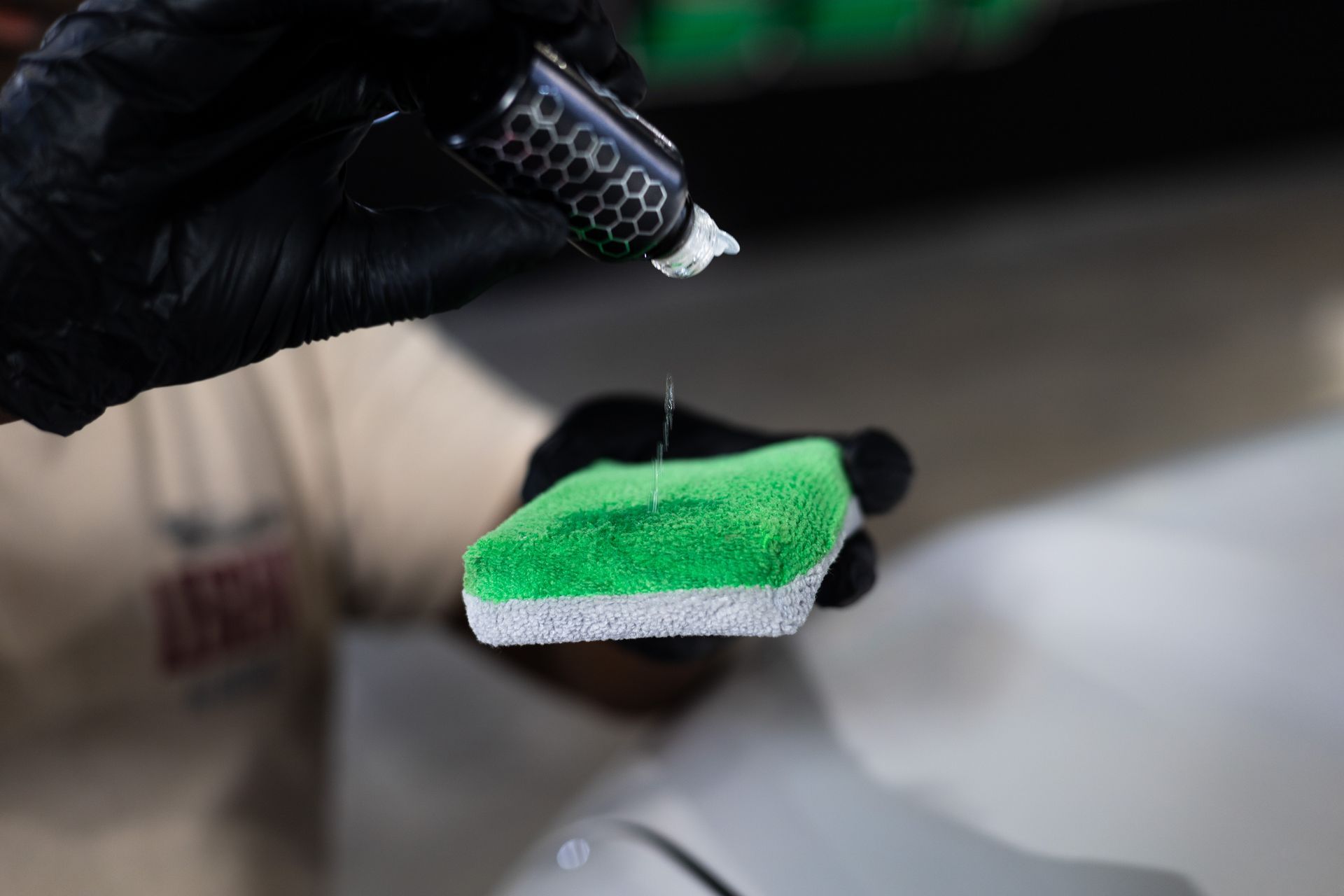
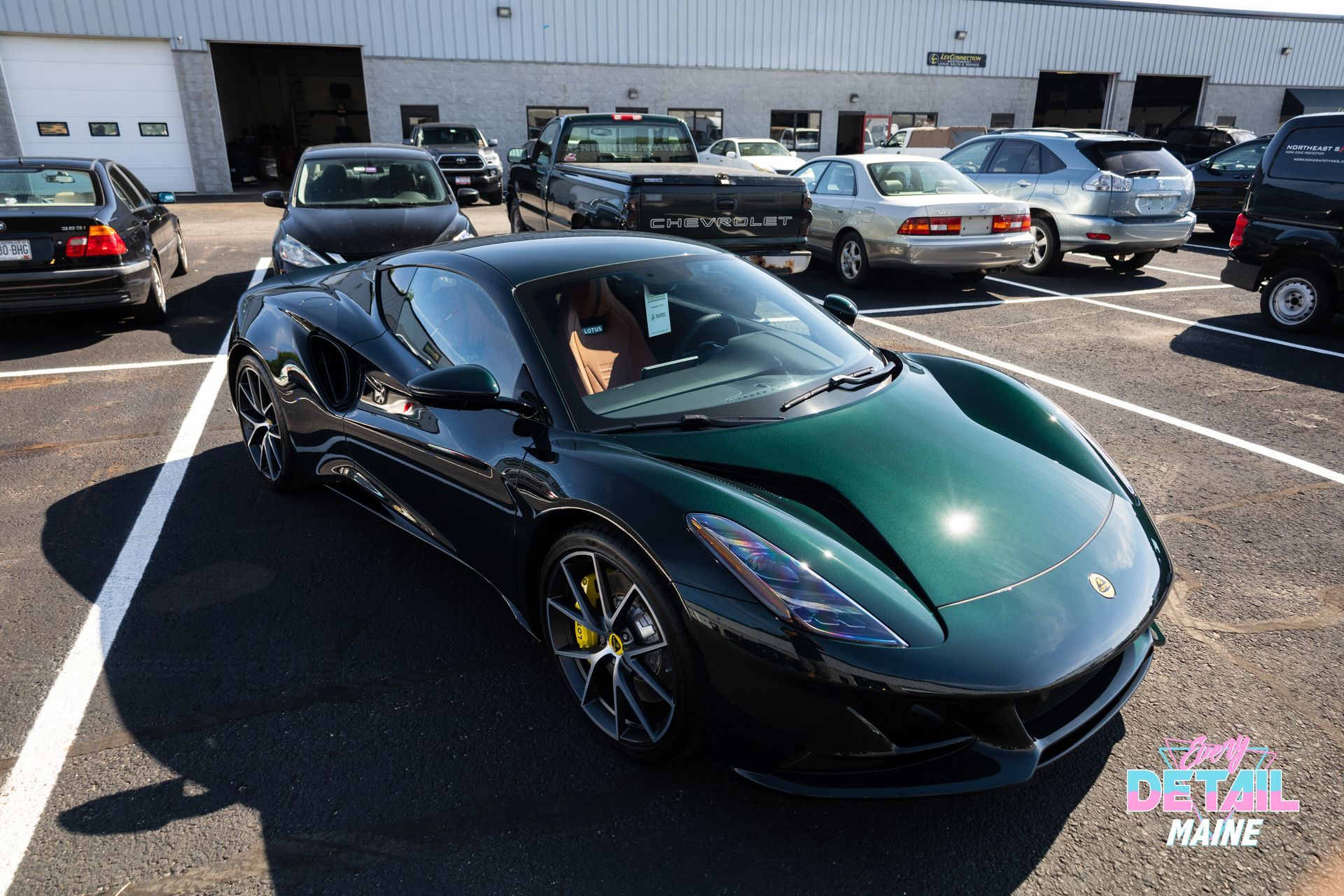
Is ceramic coating worth it for high-mileage cars?
Ceramic coating is worth it for a high-mileage car if the paint and clear coat are still sound. It protects against UV rays, oxidation, and chemical staining, and it makes the car easier to clean. It is not worth it if the clear coat is already failing, because coating cannot reverse that.
What "high mileage" really means for your paint
Mileage and paint damage aren't the same thing. Two cars can both have 120,000 miles and be in completely different shapes. One was garaged and hand-washed. The other sat in the sun and went through brush-car washes every week.
Sun exposure and washing habits do far more visible damage than the miles themselves. A commuter that logs heavy highway miles but lives in a garage often has better paint than a low-mileage car parked outside daily. So the real question isn't how many miles your car has. It's what shape the paint is in.
When coating pays off and when it doesn't
Coating pays off when you have a daily driver with sound paint that you plan to keep. The protection against UV and oxidation matters most on cars that are already aging, and the easier cleaning saves you real time week to week.
It makes less sense for a car you rarely drive and don't plan to keep, or for a car with paint damage deep enough that coating can't help. In those cases you're either paying for protection you won't use or protecting a surface that's already past saving.
What does ceramic coating actually do for an older car?
Ceramic coating is a liquid polymer, mostly silica-based, that bonds to the clear coat and forms a hard, water-repelling layer. It protects against UV rays, oxidation, acid rain, bird droppings, and brake dust. Think of it as a diamond-hard wax that lasts years instead of weeks.
What it protects against
A coating gives aging paint a defense it didn't have before. It shields against:
- UV and infrared light, the main cause of oxidation and fading
- Weathering and acid rain staining
- Industrial fallout and brake dust
- Bird droppings and tree sap
- General dirt and grime buildup
The water-repelling surface is the part owners notice first. Dirt and mud slide off instead of sticking, so your car stays cleaner longer and takes less effort to wash. For an older daily driver, that's a practical day-to-day benefit, not just a cosmetic one.
What it does not do
This is where honest expectations matter. A ceramic coating does not:
- Deflect rock chips or road debris. It is not a forcefield, and it will not shield your paint from physical impacts.
- Stop scratches, chips, or damage caused by rocks, sand, or road grit.
- Repair or revive your paint. That job belongs to paint correction, which happens before the coating goes on.
- Last forever. Coatings are rated in years, and they wear down with time, washing, and exposure.
- Replace the need to wash your car. It is not a fire-and-forget product. Your car still gets dirty.
If anyone tells you a coating makes an old car bulletproof, walk away. The value is real, but it sits inside clear limits.
How do you know if your car's paint can be coated?
Coating works on sound paint, not failing paint. Look for clear coat failure: cloudy or milky patches, peeling or flaking, or a rough chalky texture. If you see those signs, the panel needs repainting first. If the paint is just dull or lightly swirled, that's fixable with correction before coating.
Oxidation vs. clear coat failure
These two problems look related but are not the same, and the difference decides everything.
Oxidation is general dullness. The paint looks faded, cloudy, or flat across a wide area, with no sharp edges to the dull zones. In most cases a machine polish can bring it back. Oxidation is fixable.
Clear coat failure is further along. You'll see patches with defined edges, paint that's peeling or flaking, and a surface you can often chip with a fingernail. Polishing won't fix this. Coating won't fix this. The only real repair is having the panel repainted at a body shop.
The 2-minute paint check you can do at home.
You can sort this out yourself in a few minutes:
- Move the car into direct sunlight. Shade and garage light hide the true condition of your paint.
- Look across each panel at an angle. General haze points to oxidation. Patches with hard edges point to clear coat failure.
- Run a clean hand over the panels. Smooth but dull is usually oxidation. Rough or chalky is a warning sign.
- Check for any peeling, flaking, rust, or bare metal showing through.
If you find oxidation and light swirling, your car is likely a candidate after correction. If you find clear coat failure, rust, or exposed metal, those areas need bodywork before coating is even a conversation.
What gets fixed before coating?
Assuming your paint passes the check, the surface still needs prep. That means decontamination to pull out embedded tar, iron, and fallout, a clay treatment, and paint correction to remove oxidation and swirl marks. Older paint usually needs more of this work than newer paint.
What's involved in coating a high-mileage car?
Most of the work happens before the coating goes on. The paint is decontaminated, clayed, and corrected to remove oxidation and swirl marks. Older cars usually need heavier correction than newer ones, and that's the step that takes the most time and skill.
Why the prep matters more than the coating itself
A coating bonds to whatever surface it's applied to. If that surface has swirl marks, oxidation, and grime, the coating locks all of it in for years. There's no fixing it afterward without removing the coating and starting over. The coating is the last step, and on its own it's quick. Getting the paint right underneath it is the part that matters.
Why older cars take more work.
A high-mileage car has usually collected more contamination and more swirl marks than a new one. The clear coat may be thinner from past polishing or sun exposure. All of that means more decontamination time and more careful correction.
Professional vs. DIY
DIY kits exist, and the application step is fairly forgiving. The hard part isn't laying down the coating. It's the paint correction. Reading paint, choosing the right polishing steps, and not cutting through a thin clear coat take training and experience. That's where a professional earns their work, especially on an older car where the margin for error is smaller.
Ceramic coating, wax, and paint protection film: different tools for different jobs
These three are not substitutes for each other. Each does a different job, and the right choice depends on what you want to protect against.
- Wax is cheap and easy to apply, but it lasts weeks to a few months and offers limited protection. It's a short-term shine, not a long-term plan.
- Ceramic coating bonds to the paint and lasts years. It protects against UV, oxidation, and chemical staining, which are the main threats to aging paint. It does not stop rock chips.
- Paint protection film is a thicker physical layer. It's the only one of the three that handles rock chips and road debris, and it costs the most.
Many owners use coating and film together: film on the chip-prone front panels, coating across the rest of the car. They solve different problems, so pairing them makes sense.
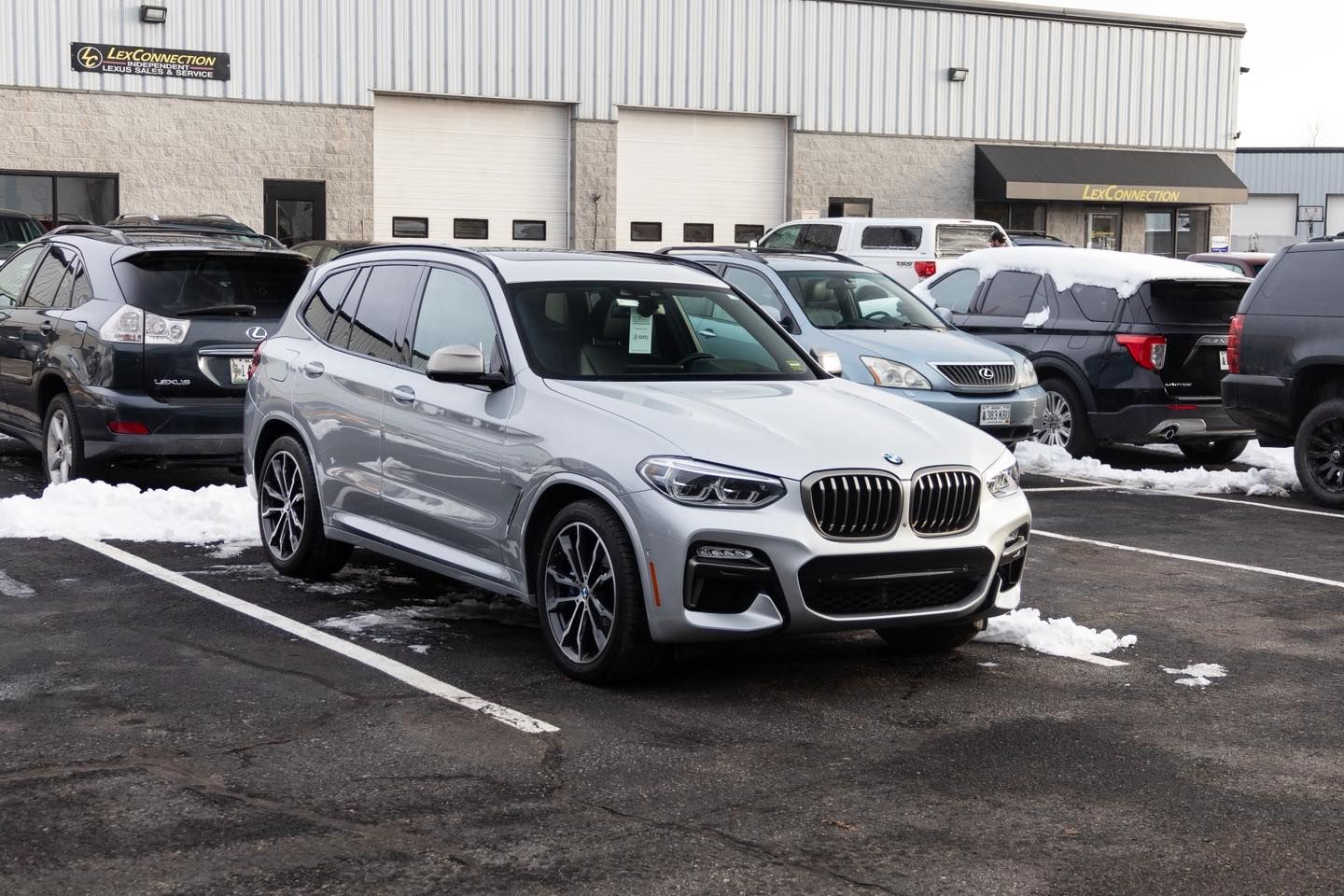
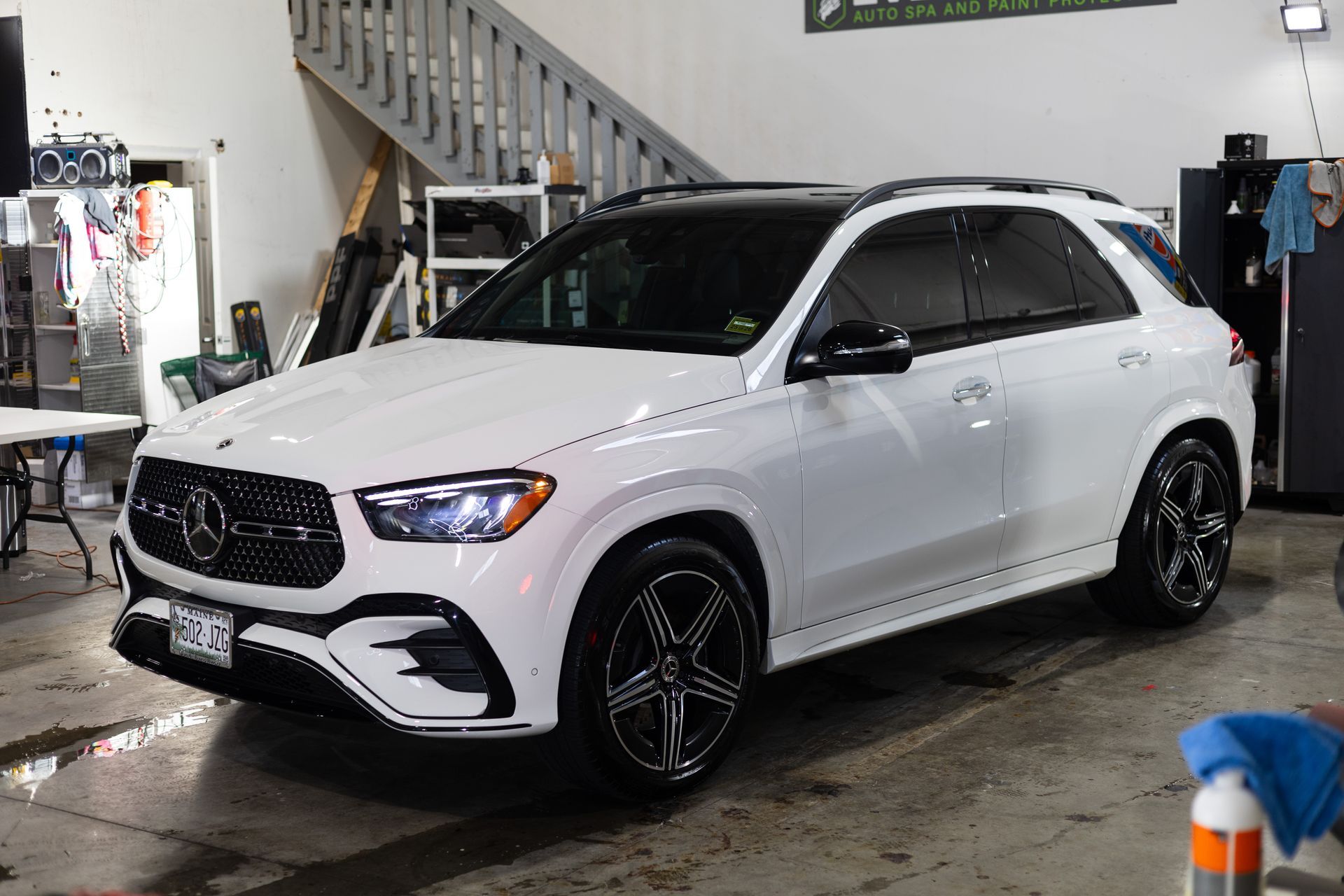
What if your car's paint isn't a good candidate?
If the clear coat is failing, coating won't help, and the affected panels need repainting first. If the paint is sound but the car's value is low and you rarely drive it, a paint sealant gives reasonable short-term protection with far less commitment. You can also coat one panel as a test before doing the whole car.
When repainting comes first
Clear coat failure, rust, and exposed metal are bodywork problems. No coating fixes them. If your check turned up these issues, price out repainting the affected panels first, then decide whether coating the rest of the car is worth it.
When a sealant is the simpler choice
For a sound-painted car that you don't drive much and don't plan to keep long, a paint sealant is a lighter option. It doesn't last as long as a coating and doesn't protect as well, but it asks far less of you.
The test panel approach
Still unsure? Have one panel corrected and coated. Live with it for a few weeks. See how the wash-up feels and how the gloss holds. If you like the result, do the rest of the car. If you don't, you've spent very little to find out.
How do you maintain a ceramic coating on an older car?
Maintained coating lasts years. Neglected coating fails early. Hand wash with a pH-neutral shampoo, dry with quality microfiber, and skip automatic and brush car washes. Every 6 to 12 months, have the car decontaminated and a silica booster applied to refresh the water-repelling performance.
Washing the right way
- Rinse first to clear loose dirt and grit.
- Wash with a pH-neutral shampoo and a clean microfiber mitt.
- Rinse again until all the soap is gone.
- Dry with quality microfiber. Don't let the car air-dry, and never wipe it down dry.
Stay out of automatic and roller-brush car washes. The brushes drag grit across your paint and shorten the life of the coating.
Signs the coating is wearing down
Watch for weaker water beading, water spots that didn't used to form, and dull spots where the surface used to look sharp. These are early signals, not emergencies. They tell you it's time for attention, not a full redo.
The bottom line
Ceramic coating for high-mileage cars is worth it when the paint is sound. The condition of your clear coat matters far more than the number on your odometer. Do the 2-minute check: get your car into direct sunlight, rule out clear coat failure, and decide from there. Not sure what you're looking at?
Book a paint correction and coating consultation so a detailer can check your paint condition before you commit.
Frequently Asked Questions
Is ceramic coating worth it on a car with over 100,000 miles?
Yes, if the clear coat is still sound. Mileage alone doesn't disqualify a car. A 100,000-mile car with healthy paint protects just as well as a newer one. Check for clear coat failure first. If there's none, coating is a reasonable choice.
Can you put ceramic coating on faded or oxidized paint?
Light oxidation can be polished out before coating, so yes, in that case. But coating won't reverse fading on its own, and it can't go over failing clear coat. Heavily oxidized paint needs correction first, or it isn't a candidate.
Will ceramic coating fix scratches on an older car?
No. Ceramic coating protects paint; it doesn't repair it. Fixing defects is the job of paint correction, which happens before the coating goes on. Coating applied over an uncorrected surface just locks the existing condition in place.
Is DIY ceramic coating good enough for a high-mileage car?
It can work if the paint is in decent shape and you prep it properly. The catch is that older paint usually needs correction first, and that's the technical part DIY kits don't cover. Professional-grade coatings also tend to last longer.
Does ceramic coating improve the resale value of an older car?
It helps a presentation, which can support a better sale price, but it's not a guaranteed return. A glossy, well-kept exterior signals a cared-for car. Treat any resale gain as a bonus, not the main reason to coat.