PPF Installation and the Importance of Proper Surface Preparation
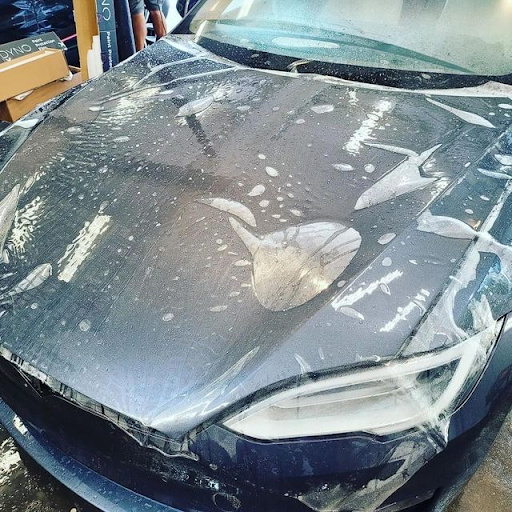
When it comes to paint protection film, the quality of the installation is only as good as the surface beneath it. For vehicle owners who have invested in a classic, a brand-new car, or a high-quality daily driver, this distinction matters enormously. Rushing or skipping surface preparation may not be obvious at first, but over time the consequences become clear: bubbling, peeling, and a film that simply does not perform the way it should. At Every Detail in Portland, ME, we treat surface preparation as the foundation of every paint protection film installation we perform, because the longevity and appearance of the film depend entirely on what happens before a single panel is applied.
The Role of Surface Preparation in PPF Performance
Proper surface preparation means eliminating every trace of dust, oil, wax, residue, and contamination before the film ever touches the paint. Paint protection film relies on a strong, consistent bond with your vehicle's clear coat. Even a microscopic particle trapped beneath the film can create a bubble or a lifting edge that grows over time, compromising both the protection and the appearance of the finished job.
This is not simply a cosmetic concern. Those small imperfections beneath the film trap moisture and air, creating weak points where the adhesive fails prematurely. For someone who has invested in paint protection film to safeguard a valued vehicle, that kind of early failure is both frustrating and costly to correct. Thorough preparation prevents it from the start.
Beyond cleanliness, surface prep also addresses the condition of the paint itself. Tiny scratches, swirl marks, and surface roughness all interfere with the film's ability to lay flat and adhere evenly. A smooth, defect-free canvas allows the film to conform perfectly, without wrinkles, gaps, or visible imperfections underneath. This is why preparation at our Portland shop includes more than a wash and rinse. It is a deliberate, multi-step process designed to produce the cleanest, smoothest surface possible before installation begins.

Achieving a Smooth, Consistent Coating
The first step in any serious surface preparation process is a thorough wash using a pH-balanced automotive shampoo. Standard car washes or household soaps are not appropriate here. A pH-balanced shampoo cleans without stripping existing sealants unevenly or leaving residues that interfere with later prep steps. The goal at this stage is to remove all visible dirt, grime, and road contamination so that the deeper cleaning steps that follow are as effective as possible.
Once the vehicle is clean, clay bar treatment addresses what the wash cannot. Even after a thorough hand wash, paint surfaces retain embedded contaminants: brake dust, industrial fallout, tree sap residue, and microscopic particles that cling to the clear coat and cannot be removed with soap and water alone. A clay bar works like a fine exfoliant, gently lifting these contaminants without damaging the finish. When done properly, the surface afterward feels noticeably smoother to the touch. This step is critical because anything left embedded in the paint at this stage will become a permanent imperfection once the film is applied over it.
Polishing follows decontamination and serves two purposes. First, it corrects minor surface defects such as light swirl marks, oxidation, and fine scratches that would otherwise be visible beneath the transparent film. Second, it levels the surface texture, creating a consistently smooth substrate that allows the film to bond evenly across the entire panel. We use dual-action polishers with compounds matched to the specific condition of each vehicle's paint, applying enough correction to refine the surface without overworking the clear coat. The clear coat is what the film bonds to, and preserving its integrity is just as important as cleaning it.
Environmental control during this phase matters more than many vehicle owners realize. Dust, airborne debris, and even humidity can settle on a freshly polished surface within minutes. Working in a controlled environment minimizes contamination between prep steps and ensures the surface remains clean from polishing through to application.
Why Cleanliness Directly Impacts Adhesion
Adhesion is the determining factor in how well paint protection film performs over time. A film that bonds strongly and evenly to a clean, smooth surface will resist lifting, bubbling, and edge peeling far longer than one applied over a compromised surface. Any trace of wax, silicone, oil, or polishing residue acts as a barrier between the film's adhesive and the paint, weakening the bond from the moment the film goes down.
Specialized PPF preparation cleaners are designed to dissolve and remove these residues completely without damaging the underlying finish. Standard household cleaners, degreasers, or even general-purpose detailing sprays are not formulated for this purpose and often leave behind films of their own that create the same adhesion problems they were meant to address. This is why the products used during surface preparation matter as much as the techniques themselves.
The final chemical cleaning step before application is an isopropyl alcohol wipe-down of all painted surfaces. This removes any remaining traces of polishing oils, residue from prep cleaners, and fingerprints or smudges introduced during the preparation process. Using lint-free microfiber cloths, each panel is wiped carefully and inspected under proper lighting to confirm the surface is truly clean. Edges and seams receive particular attention, as residue tends to collect in these areas and is easy to overlook during earlier cleaning steps.
This wipe-down also serves as a final inspection opportunity. Under good lighting, any remaining surface defects, contamination, or areas needing additional correction become visible before the film goes on. Catching these issues at this stage is far less costly than discovering them after installation.
The Case for Primer on Complex Surfaces
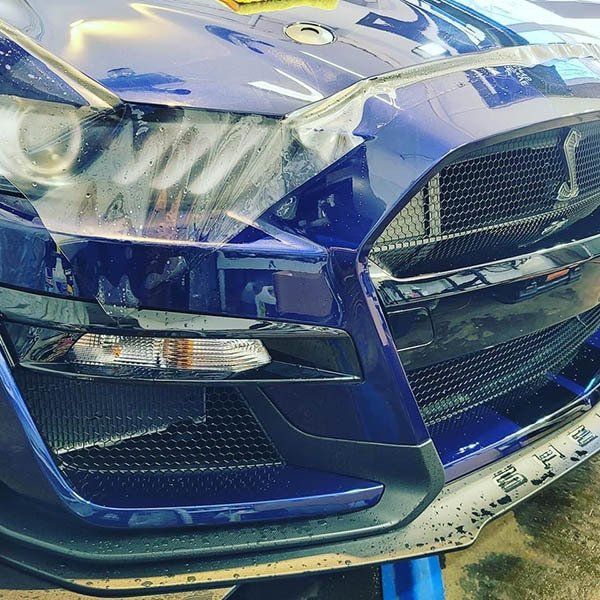
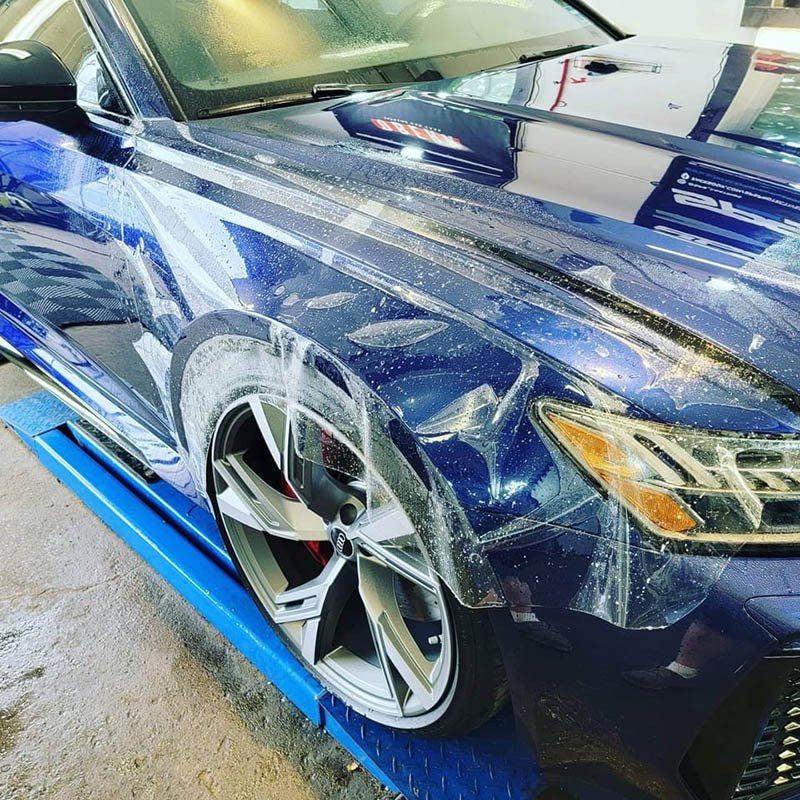
In straightforward installations on flat panels, meticulous surface preparation alone is often sufficient for strong, durable adhesion. However, paint protection film frequently needs to wrap around curves, conform to body contours, and adhere to edges where the film is under constant tension. On these more challenging surfaces, a PPF-specific primer provides an added layer of adhesion support that cleaning alone cannot deliver.
PPF primers are not the same as standard automotive paint primers. These are specialized, solvent-based solutions applied sparingly to areas where the film needs additional grip, particularly around curved edges, painted plastic trim, and areas prone to lifting. They strengthen the bond between the film's adhesive and the surface without leaving residue or damaging the paint beneath.
It is worth noting that primer is not a substitute for proper surface preparation. It is a targeted supplement used in specific situations to reinforce adhesion where geometry or material type makes it necessary. Applying primer over a poorly prepped surface does not compensate for inadequate cleaning or lingering contamination. The foundation must be right before primer is ever considered.
Common Mistakes That Undermine PPF Installations
Even experienced installers occasionally encounter problems that trace back to preparation errors rather than application technique. Understanding these mistakes helps clarify why each step in the preparation process exists and why none of them should be treated as optional.
Skipping decontamination is among the most common and consequential errors. A vehicle may look clean after washing, but without clay bar treatment, invisible contaminants remain embedded in the clear coat. Once the film goes over them, they create raised spots and weak adhesion points that gradually develop into bubbles or lifted edges. The vehicle owner may not notice the problem for weeks or months, at which point the film may need to be partially or fully replaced.
Improper polishing presents a different kind of risk. Too little polishing leaves surface defects in place that will be permanently visible beneath a transparent film. Too much polishing, or the use of compounds that are too aggressive for the paint's condition, can thin or damage the clear coat. Since the film bonds to the clear coat, a compromised clear coat means a compromised bond. Polishing requires the right compound, the right machine speed, and a thorough understanding of how the specific paint responds to the process.
Insufficient final cleaning is a subtler but equally damaging mistake. Residual oils from the polishing process, traces of prep cleaners, or dust that settles between steps can all compromise adhesion even when everything else is done correctly. This is why the IPA wipe-down is never an optional finish step. It is a technical requirement for clean chemical bonding between the adhesive and the surface.
Rushing any part of this process to save time is ultimately counterproductive. Callbacks and film replacements cost far more in time and materials than the additional preparation time would have required. At Every Detail, we never cut corners at the preparation stage, because the integrity of the finished installation depends entirely on what happens before the film is applied.
Surface Prep as a Long-Term Investment
For vehicle owners in Portland, ME who are serious about protecting a valued automobile, paint protection film is a meaningful investment. A quality installation, performed correctly from start to finish, can protect your vehicle's paintwork against rock chips, scratches, UV exposure, and environmental contaminants for years. But that protection is only as reliable as the preparation that preceded it.
Proper surface prep is what separates a PPF installation that holds up under real-world driving conditions from one that begins deteriorating within months. It is also what ensures that when the film is eventually removed or replaced, the paint beneath it remains in the same pristine condition as when the film went on.
At Every Detail, our preparation process reflects the standards our Portland clients expect and the care that every vehicle deserves. Whether you are protecting a classic restoration, a brand-new purchase, or a well-maintained daily driver, the attention we bring to surface preparation is consistent across every installation we complete.
Contact us today to learn more about our paint protection film services and what sets our process apart!