Proper Surface Prep Determines PPF Longevity: Key Steps for Lasting Protection
When it comes to protecting your car's paint, many people assume that applying paint protection film (PPF) is enough on its own. The truth is, if the surface is not properly prepared beforehand, that film may start bubbling or peeling far sooner than expected. Getting the surface perfectly clean and smooth is not just a routine step; it makes all the difference in how well your PPF adheres and how long it actually lasts. This article explains the importance of surface prep and demonstrates how proper preparation can prevent costly issues in the future.
Why Surface Prep Matters
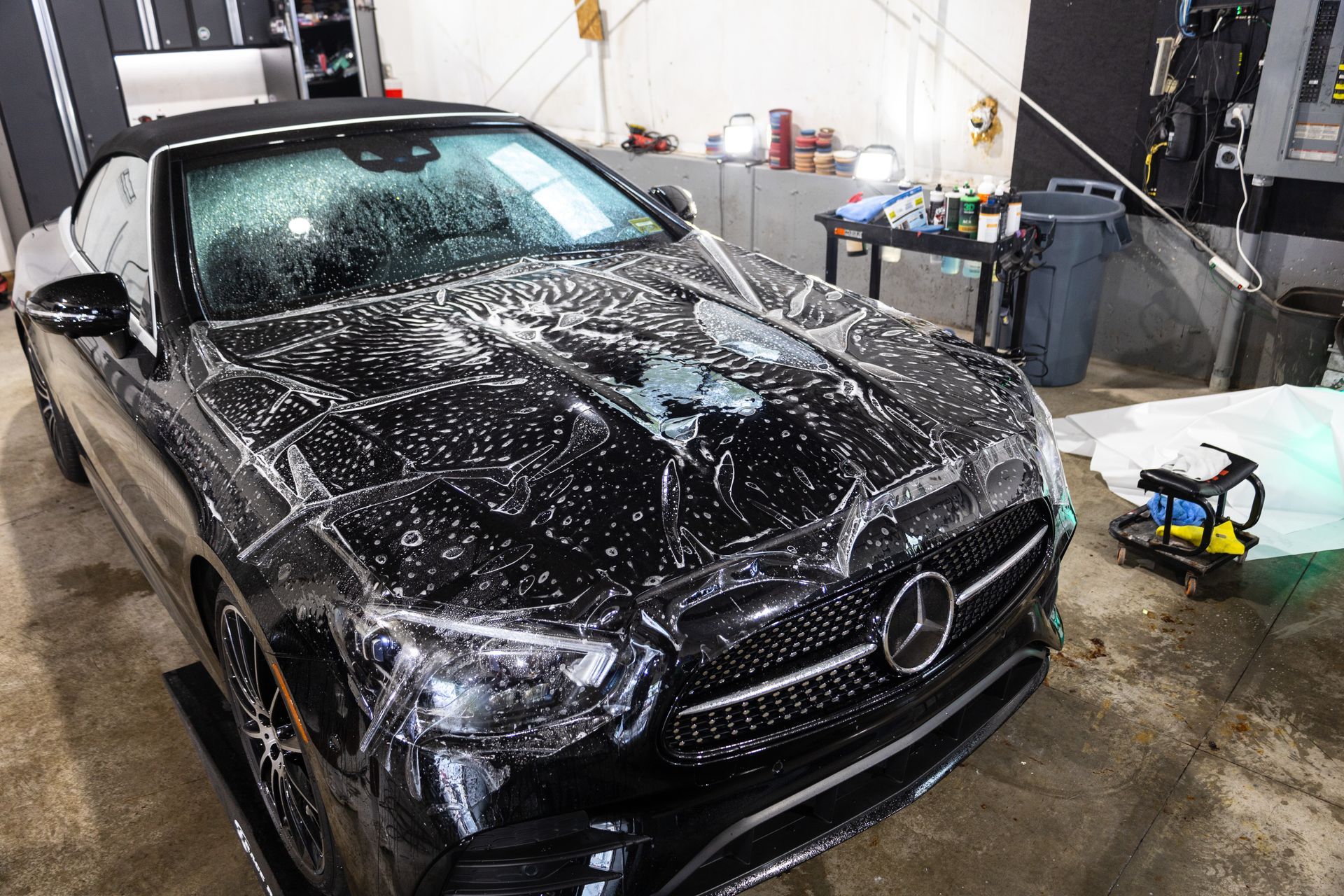
Think of trying to glue a sheet of clear plastic over a canvas covered in dust, oil, and fingerprints. It simply will not stick well. This phenomenon is exactly what happens when PPF is applied to an improperly cleaned vehicle. Any trace of contaminants, whether oils from old waxes, dirt, or residues from previous coatings, acts as a barrier that weakens the film's bond. The result leads to bubbling, peeling, or yellowing that degrades both the appearance and the film's ability to protect against scratches and environmental damage.
Cleaning agents like isopropyl alcohol (IPA) are essential here because they efficiently remove stubborn oils and contaminants without harming the paint. The correct method involves saturating a microfiber towel and gently wiping down every inch of the surface rather than spraying directly onto the panel. Too much IPA or careless application can damage delicate areas, especially on newer vehicles. This controlled technique ensures a clean, uniform surface that optimizes adhesion without causing unintended harm.
Surface texture also plays a critical role. A smoother surface allows the adhesive film to lay flat without bubbles or gaps. Achieving this often means correcting minor paint imperfections with ultra-soft polishing pads under gentle pressure, essentially smoothing the surface just enough to create the ideal foundation for the film. Environmental conditions matter as well. Applying PPF in temperatures between 15°C and 25°C prevents premature drying or inadequate bonding. Excess humidity can trap air and create adhesion failures hidden beneath the film. These factors combined make a meaningful difference in how long and how well your PPF performs.
Identifying and Removing Contaminants
Your vehicle's surface looks cleaner than it is. Beneath that seemingly smooth paint lies a host of stubborn impurities, including road tar, tree sap, brake dust, and industrial fallout that settles over time. These are more than cosmetic nuisances; they create uneven surfaces that prevent PPF from bonding properly. Diagnosing contaminants begins with a careful visual and tactile inspection. Running your hand gently over the paint reveals rough or sticky spots that washing alone will not address. Tree sap feels tacky and raises the paint texture, while tar appears as dark, firmly stuck patches. Even after washing, some particles embed so deeply that standard soap and water cannot remove them.
A clay bar is the most effective tool for deep surface cleaning before any protective film is applied. It glides over the car's surface, pulling out and encapsulating contaminants invisible to the naked eye. Using it with a formulated lubricant ensures minimal abrasion while maximizing the removal of brake dust and industrial fallout. For particularly stubborn deposits like tree sap or tar spots, specialty removers work well. Diluted isopropyl alcohol at around 50% is effective at loosening tar without etching the surface when applied carefully with microfiber towels rather than sprayed directly. Thorough contaminant removal cannot be overstated. Even minute residues cause adhesive failure over time, leading to bubbling, peeling, or discoloration that compromises both protection and appearance. Every minute spent on proper prep pays off in how long your PPF maintains its performance.
Cleaning and Polishing the Surface
Careful washing forms the foundation of a successful prep routine. Using a pH-neutral car shampoo paired with a soft microfiber wash mitt lifts dirt without scratching the paint. Harsh detergents or abrasive tools create micro-scratches that become visible beneath the protective film. After washing, rinsing thoroughly removes any remaining suds that could interfere with adhesion. Drying deserves equal care. Using a clean, plush microfiber towel and blotting gently rather than wiping preserves the freshly washed surface. Working in a shaded environment helps identify any missed water spots early.
Polishing is where many people underestimate the value of preparation. A dual-action polisher with a fine-cut compound addresses minor imperfections like swirl marks or light oxidation. The key is balance: too aggressive a polish removes more clear coat than necessary, while too light a pass leaves defects behind. Smooth, even passes over each panel guarantee consistent correction. Following with a finer polish restores gloss and eliminates micro-abrasions from the compounding stage, leaving a mirror-like surface that the PPF can bond to uniformly.
How Surface Prep Directly Impacts PPF Performance
Proper surface preparation is the foundation upon which the entire effectiveness of your PPF depends. Without it, contaminants like oils, waxes, and dirt severely hinder the film's ability to bond firmly with the paint. Poor prep can meaningfully reduce adhesion strength, leading to edge lifting and bubbling within months of installation. With thorough prep, the adhesive forms a tight bond that resists UV rays, water, and grime that would otherwise degrade the film prematurely.
The impact on aesthetics is equally significant. Without proper prep, trapped contaminants produce visible imperfections such as hazy patches or blisters beneath the film that ruin its clear finish. Even tiny particles distort reflections and invite premature yellowing. Achieving a pristine result requires patience and precision during cleaning, combined with gentle polishing that prevents swirl marks from being magnified once the film is in place.
Common Issues and How to Address Them
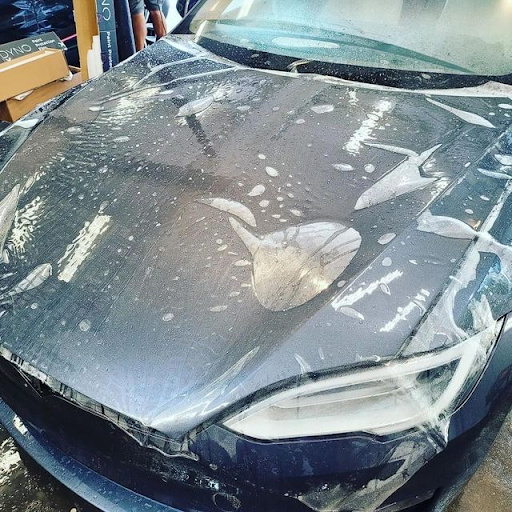
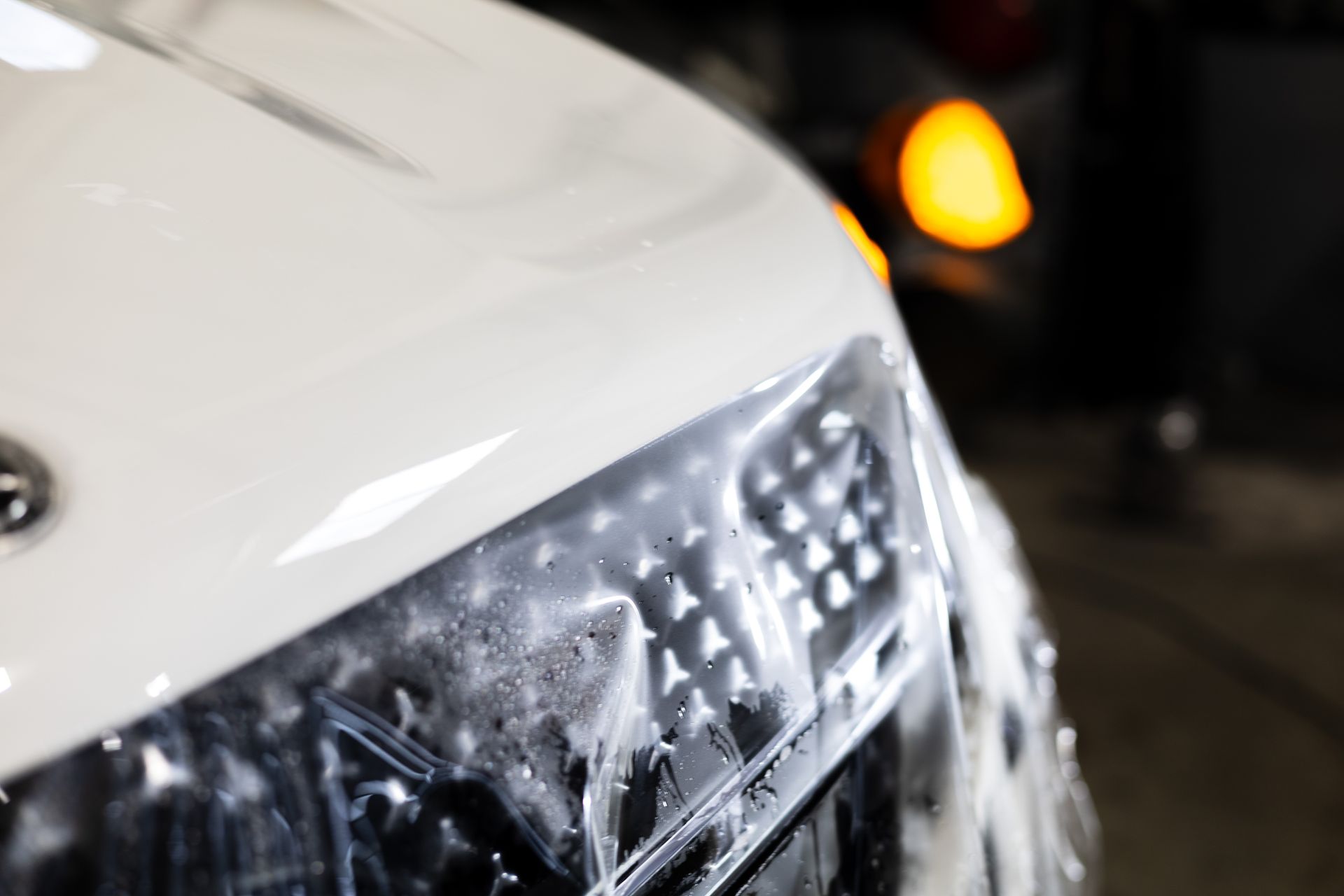
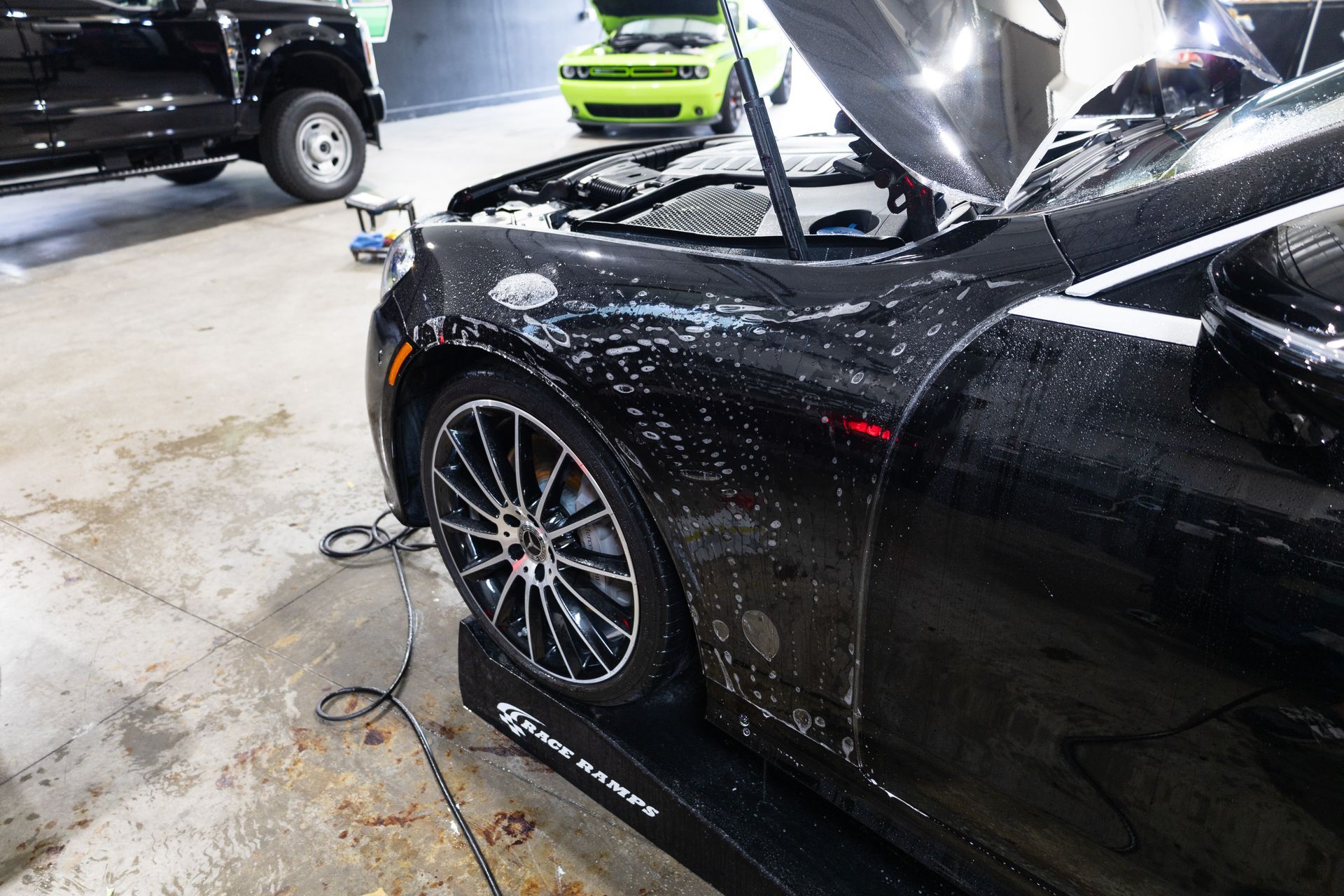
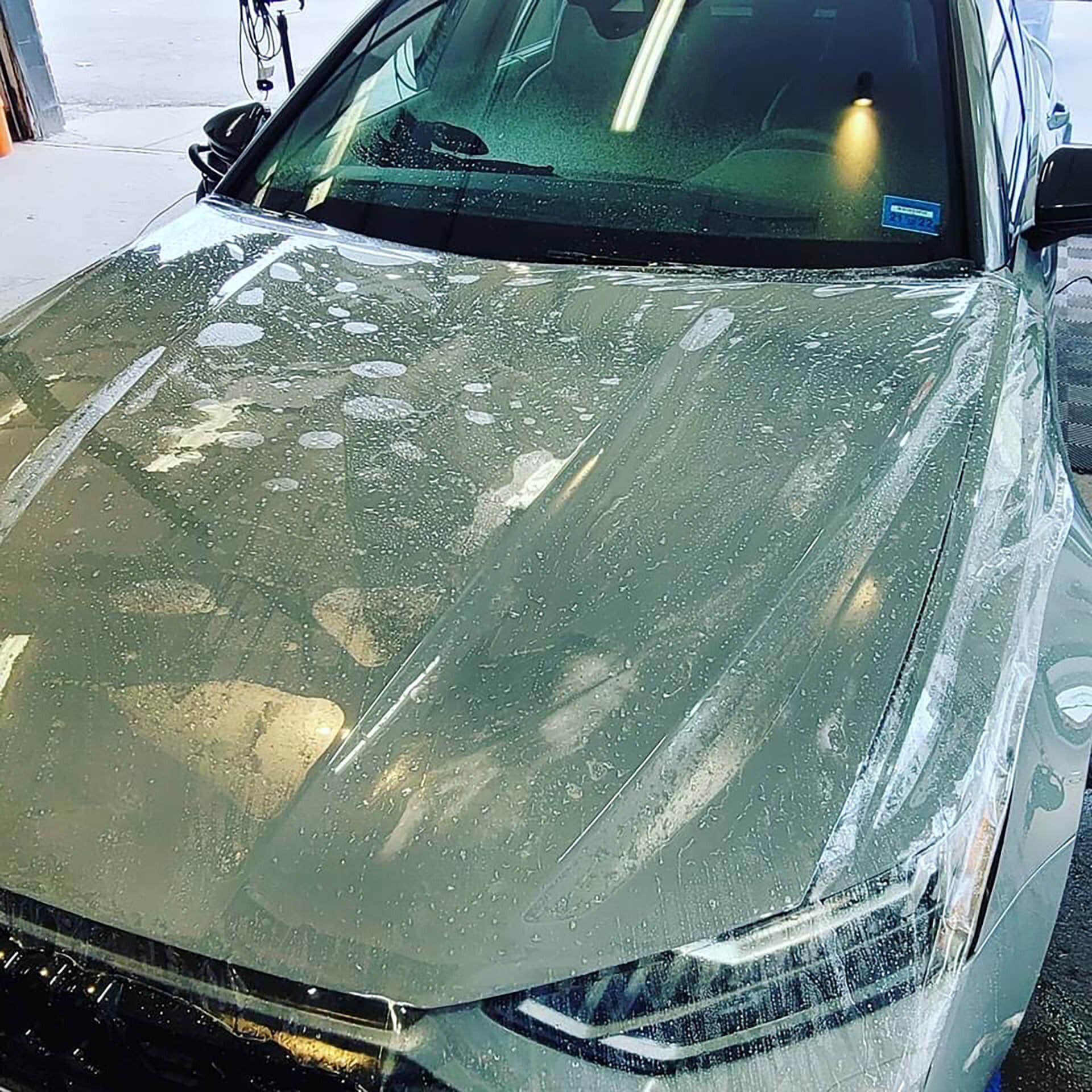
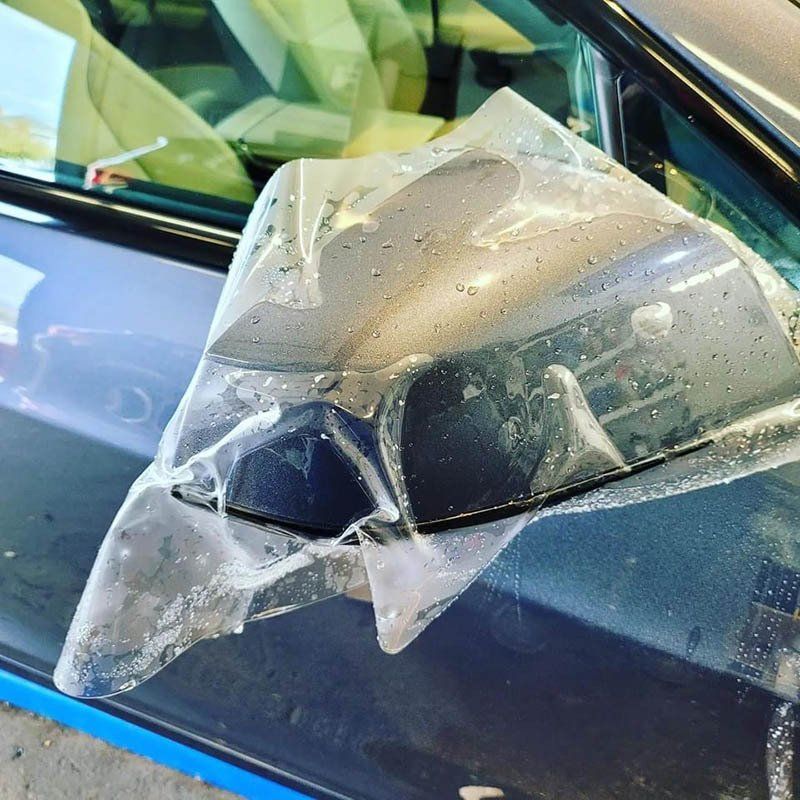
Bubbling is one of the most frequent problems encountered after PPF installation. It typically results from inadequate squeegeeing, high temperatures during application, or excess slip solution beneath the film. The fix involves carefully lifting the affected section, repositioning the film, and using a squeegee with controlled pressure from the center outward to expel trapped air.
Edge lifting is another common issue and often points back to how well the surface was prepared beforehand. Minor traces of oils, waxes, or moisture at the edges impair adhesion. Aggressive washing shortly after installation can also disrupt the film while it is still curing. To remedy lifting, apply gentle pressure with a soft microfiber cloth while using low heat from a heat gun or hair dryer at a safe distance. This softens the adhesive just enough for it to rebind without warping the film. Allow the film 24 to 48 hours to fully cure before exposing it to harsh conditions.
Proper surface preparation is not simply a preliminary step; it is the foundation for lasting protection that preserves both your vehicle's appearance and its value. From removing contaminants with a clay bar to careful washing, polishing, and environmental control during application, each step compounds the last. Skipping or rushing any part of this process undermines the entire investment. Taking the time to prepare the surface correctly ensures that your paint protection film delivers its full promise for years to come.
Precision PPF in Portland, ME
Proper surface preparation makes all the difference in how long paint protection film truly performs, and that level of detail is exactly what you can expect from Every Detail in Portland, ME. Our
professional PPF services begin with meticulous decontamination, careful paint refinement, and controlled installation conditions to ensure strong adhesion and a flawless finish. Designed to defend against rock chips, road debris, salt, and environmental exposure common to Maine roads, our high-quality film preserves your vehicle’s appearance while maintaining clarity and gloss.
Schedule your paint protection film service with Every Detail today and protect your investment with expert care built for long-term durability!