Best Climate for Coating Application: A Guide to Conditions and Why Experts Matter
When it comes to coating surfaces, whether protecting your vehicle's paint or applying a defensive layer to metal structures, the weather isn't just background noise. It's a major player. Many vehicle owners don't realize how much temperature, humidity, and even dew point can change the way coatings stick and dry. Getting these factors right can mean the difference between a finish that lasts for years and one that peels or bubbles quickly. This guide breaks down why climate matters so much during application and how professional ceramic coating installers use that knowledge to help you achieve exceptional, durable results every time.
Optimal Conditions for Coating Application
Getting your coating to stick well and last for years depends heavily on the environment where you apply it. The temperature of both the air and the surface being coated plays a critical role here. If the air is too cold, say below 56°F, the curing slows dramatically, stretching out drying times and sometimes causing incomplete bonding. On the other hand, if it's too hot or dry, the coating might cure too quickly, trapping solvents inside and potentially leading to defects like blistering or cracking. That delicate balance between too slow and too fast is why experts always stress working within a certain temperature window. Surface temperature deserves its own spotlight because it can deviate significantly from the ambient air temperature. During sunny days, surfaces absorb heat and may climb well over ambient air temperatures. This means even if the air feels perfect, the actual surface might be too hot, or conversely, too cold if temperatures drop overnight. Ideally, the surface should remain somewhere between 40°F and 100°F to promote proper adhesion and curing. Being mindful of this helps prevent common problems like poor adhesion or uneven coating textures.
Another major factor that often surprises people is humidity. Relative humidity ideally needs to stay below about 85%, because high moisture levels in the air slow solvent evaporation and overall curing speed. In some coatings specifically designed to cure with moisture, this value becomes even more critical, but generally speaking, elevated humidity means longer wait times and risk of coating imperfections such as cratering or soft spots developing on the finish. Keeping track doesn't stop at temperature and humidity. You have to watch out for dew point carefully, too. If the surface approaches within 5°F of the dew point during application or curing stages, condensation can form on your freshly coated surface. This moisture can sabotage adhesion completely, creating weak spots that fail prematurely or attract dirt right away.
Environmental factors like wind shouldn't be overlooked either. On outdoor projects especially, wind speeds above roughly 6 mph can blow dust onto wet coatings and accelerate solvent evaporation in unhelpful ways. Indoors or inside controlled spaces, maintaining proper ventilation is essential not just for worker safety but also to prevent solvent buildup that compromises finish quality. Proper climate control during coating application is less about convenience and more about avoiding costly mistakes down the line. Many seasoned professionals monitor local weather closely and use supplemental tools such as space heaters, dehumidifiers, or temporary enclosures to create stable environments. These efforts may seem tedious but are key to delivering long-lasting, flawless finishes every time.
Impact of Weather on Coating Quality
Wind and rain are more than just annoyances when applying coatings. They directly influence the physical and chemical processes that make or break the finish you're trying to achieve. For example, wind speeds exceeding 15 mph don't just speed up drying; they can accelerate solvent evaporation unevenly across the surface. This uneven evaporation leads to what professionals call pinholing or cratering, where microscopic bubbles form and burst, leaving little pits that mar both appearance and protective function. Solvents in coatings are designed to evaporate at controlled rates, allowing binders and pigments to settle evenly. If wind forces rapid evaporation on one side of your surface but not the other, you end up with inconsistent thicknesses. This inconsistency doesn't just look bad. It results in weakened adhesion and ultimately a shorter lifespan of the coating.
Similarly, rain or even high moisture right after application can sabotage your efforts in unexpected ways. Rainfall introduces moisture during or shortly after coating application, which disrupts curing by diluting solvents or washing away uncured layers entirely. Even a light drizzle can cause blistering or bubbling as water traps itself under semi-dry film, breaking down adhesion. While some advanced coatings require moisture for curing, the timing and amount of moisture exposure must be strictly managed according to product instructions. Neglecting this window often results in corrosion beneath the surface over time or premature peeling. To avoid these pitfalls, experts emphasize planning coating activities around weather forecasts. Applying coating just before unexpected rain can turn a carefully prepared substrate into a wasted effort overnight. Some professionals use temporary shelters or tents for outdoor projects to maintain dry conditions until curing finishes, which is a smart investment in reliable quality.
Dew point considerations often get overlooked but are essential for preventing condensation on surfaces during application. When surface temperature dips too close (within about 5°F) to the dew point, tiny water droplets form on the substrate exactly when you need it dry. These droplets interfere with adhesion, triggering defects that may not be immediately visible but unfold over time as blistering or corrosion. The takeaway here is that weather is an active participant, not a passive backdrop, in every coating project. By respecting its influence through careful scheduling and environment control (whether using temporary enclosures outdoors or heated indoor spaces during cold months), you significantly improve not only finish quality but also longevity.
Preparing for Various Climate Scenarios
Sometimes the perfect day for coating just doesn't show up on the calendar, and that's exactly when preparation becomes your best ally. Dealing with less-than-ideal climate conditions requires more than just hope. It calls for strategic steps to control the environment as much as possible. This way, you avoid costly mistakes like blistering or poor adhesion caused by moisture, temperature swings, or wind. Start with weather monitoring. It's not enough to glance at a single forecast the morning of your application. This is a 48-hour game. Consult multiple weather sources and keep an eye on updates because forecasts can change rapidly. Pay special attention to temperature swings, expected humidity, wind speeds, and even dew point fluctuations. These data points give you the foresight needed to adjust your plans or gear up for controlling the climatic impact actively.
Once you have a clear picture of what nature intends to throw your way, bring in climate control measures tailored to your environment. If cold weather threatens to slow curing or frost risks exposure below ideal thresholds, portable heaters inside a controlled space can be lifesavers. Alternatively, in humid conditions where drying slows down and solvent evaporation stalls, dehumidifiers help maintain moisture levels within the sweet spot (generally below 85%). Some coatings are sensitive to the presence of moisture during curing, so balancing humidity isn't just about speed but about ensuring chemical reactions proceed correctly.
Positioning and timing come next as your silent weapons against nature's fluctuations. During hot summer days, application during early morning or late evening protects coatings from direct sun exposure that might cause premature skinning on the surface without full curing underneath. Conversely, winter coatings go best when done during midday hours when temperatures peak safely above minimums. Also, arrange your working area physically shielded from wind gusts that can accelerate solvent loss too quickly or introduce dust and debris onto wet surfaces. Preparation is proactive insurance. Rather than fighting relentless weather battles mid-job, you anticipate changes, mitigate their effects, and ensure every coat bonds strongly and cures uniformly. The payoff is longer-lasting protection and beauty that justifies every minute spent planning ahead.
Expert Techniques and Professional Application
In the hands of a skilled professional, coating application transforms from a routine task into a refined craft. This mastery involves more than following instructions. It demands a deep understanding of how coatings react to environmental variables like temperature, humidity, and surface conditions. What distinguishes expert applicators is their ability to read subtle cues in real time, such as how slight changes in air flow might alter drying rates or how resin viscosity shifts with temperature can affect spreadability. Expert ceramic coating applicators adapt quickly, adjusting techniques and sometimes even mixing ratios to maintain optimal performance in dynamic conditions. This flexibility is key because what works perfectly on one day or substrate may falter on another.
Experts emphasize preparation as much as application. Meticulous surface prep often determines success as much as any application technique. Cleaning contaminants away, profiling surfaces for better mechanical bonding, and ensuring ambient conditions fall within ideal ranges all set the stage for flawless finishes. Modern coating jobs benefit enormously from specialized instruments that monitor and manage environmental and substrate conditions in real time. Infrared thermometers allow precise measurement of surface temperatures without contact, ensuring that substrates are neither too cold nor too hot before the coating process begins. Digital hygrometers provide immediate feedback on ambient moisture levels, helping applicators keep the humidity below critical thresholds to avoid trapping moisture within the coating layers.
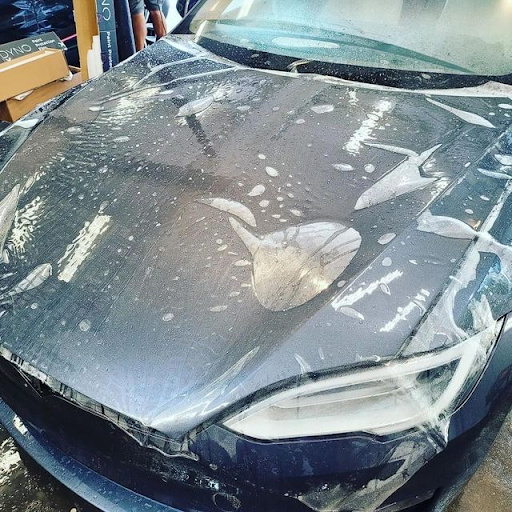
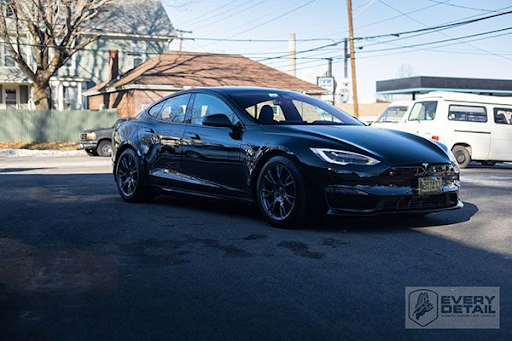
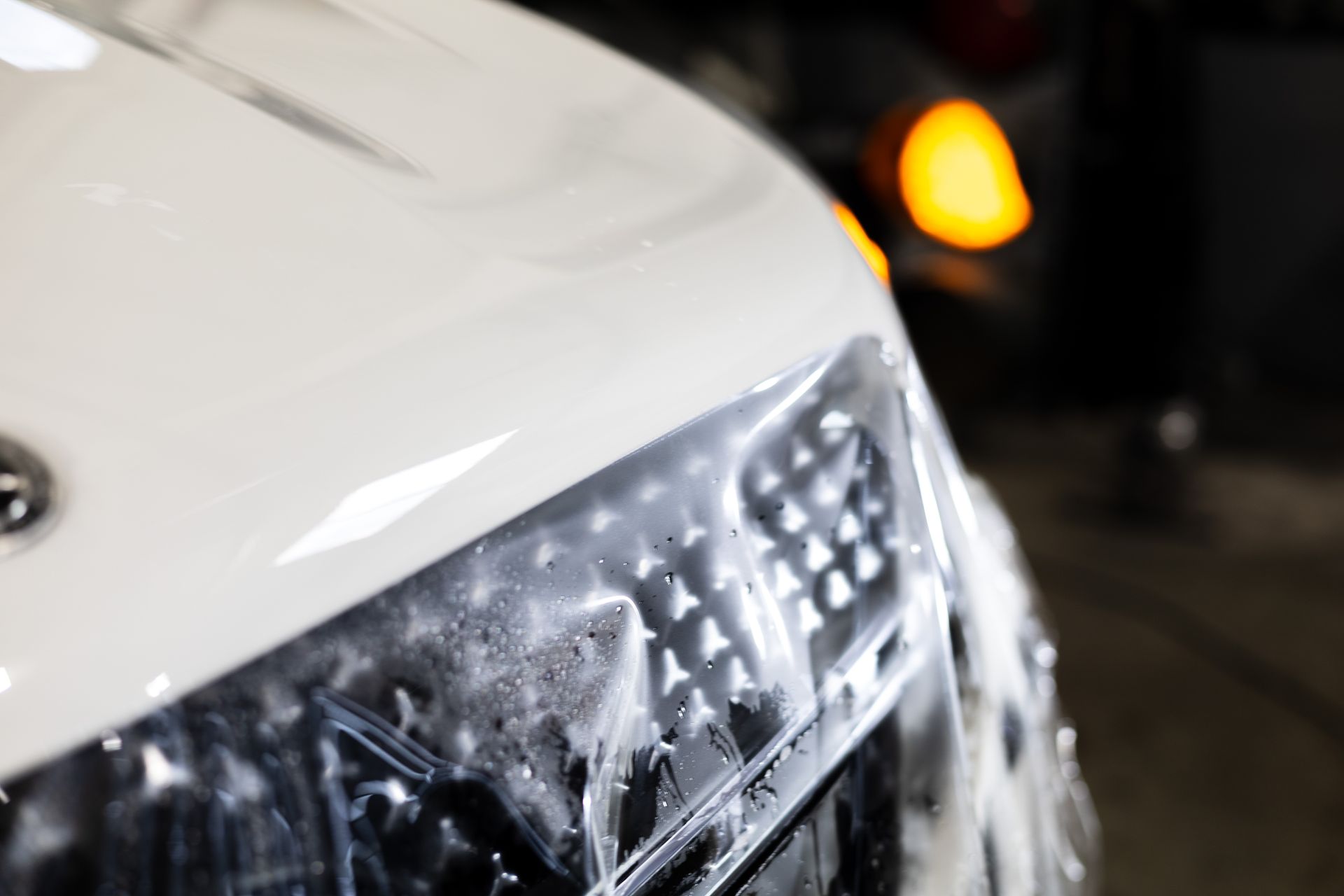
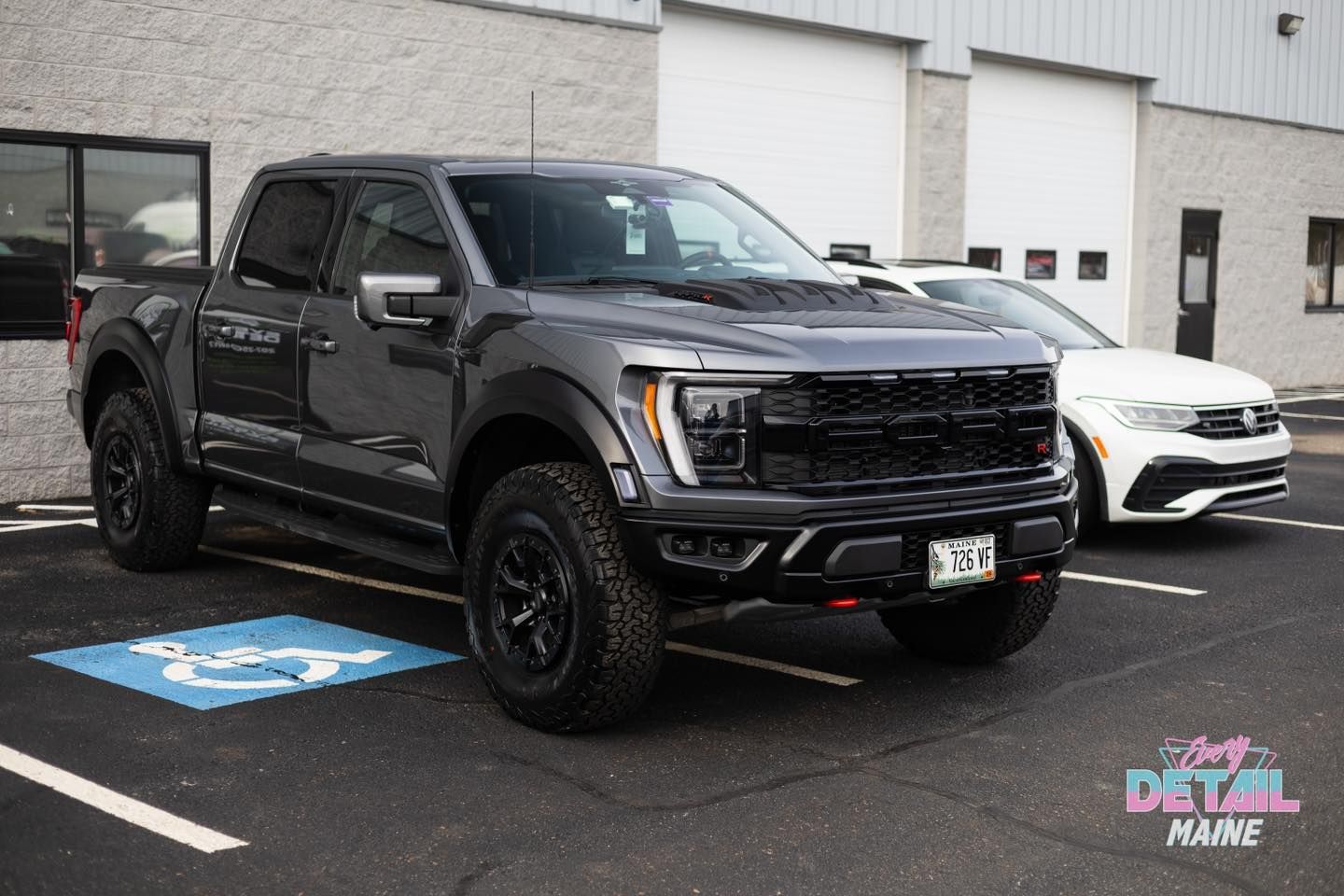
Professional coating application is crucial for vehicle owners. Vehicle protection coatings like ceramic coatings and paint protection film rely on precise environmental conditions to cure properly and bond effectively to your automobile's surface. Expert application under controlled conditions often determines the difference between a coating that lasts years and one that fails prematurely. Professional applicators understand that your vehicle deserves the highest level of care. They monitor temperature, humidity, and surface conditions continuously throughout the application process. They know when to delay application due to unfavorable weather and how to create optimal conditions even when nature doesn't cooperate. This expertise ensures that protective coatings perform exactly as designed, keeping your vehicle looking pristine for years to come. Whether you're protecting a classic automobile, a brand-new luxury vehicle, or a high-quality daily driver, the investment in professional coating application pays dividends in appearance, protection, and long-term value. With thoughtful preparation, advanced tools, and expert technique, quality finishes can stand the test of time in any environment.
Professional Ceramic Coating Services in Portland, ME
When ceramic coating performance depends so heavily on temperature, humidity, and proper curing, professional application becomes essential. Every Detail delivers
top-tier ceramic coating services in Portland, ME, using climate-controlled environments and expert techniques to ensure coatings bond correctly and cure as intended. Their team carefully monitors surface conditions throughout the process, helping coatings achieve consistent coverage, strong adhesion, and long-term durability.
Schedule your ceramic coating service with Every Detail today and have your vehicle's protection applied under the right conditions by professionals who understand why timing and environment truly matter!