
Paint Protection Film: Your Vehicle's Defense Against Sun Damage in Hot Climates
If you live in a place where the sun beats down relentlessly and the heat never seems to let up, you've probably noticed your car's paint looking dull or faded over time. It's not just dirt or normal wear; the sun's rays are quietly breaking down the paint, making it lose its shine and color faster than you'd think. That's where paint protection film, or PPF, steps in. This clear, tough layer acts like sunscreen for your vehicle, blocking out harmful UV rays and helping keep your car's paint fresh and vibrant, even under intense sunlight. In this guide, we'll show you why PPF is a smart choice for anyone wanting to protect their car's look and value in hot climates.
Paint protection film acts as a transparent, durable barrier that shields vehicle paint from harmful ultraviolet (UV) rays and intense sunlight common in hot climates, effectively preventing fading, oxidation, and discoloration. By blocking UV damage and providing additional resistance against environmental hazards like debris and abrasions, high-quality PPF preserves your vehicle's appearance and resale value even under harsh sun exposure.
Understanding Sun Damage to Vehicle Paint
When your car sits under intense sunlight day after day, invisible UV rays start attacking its paintwork at a molecular level. These rays penetrate through the clear coat (the protective outer layer) and begin breaking down the chemical bonds that hold the color pigments together. This degradation leads to fading, where vibrant hues appear washed out and dull. This loss of color isn't just cosmetic; it signals a weakening in your paint's overall structure. In areas with high UV indexes, paint can lose a significant portion of its gloss and show noticeable fading within just one year of exposure. Over five years, this effect becomes glaringly obvious. Simply put, what was once a rich red might shift towards pale pink, or a glossy black might turn into flat gray.
UV exposure doesn't stop at fading. It also accelerates oxidation, which acts like rust for metals but targets the paint's clear coat, turning it chalky and rough. As this protective layer deteriorates, your car becomes more vulnerable to scratches and stains from environmental debris. Once those microscopic cracks appear in the clear coat (typically after three to five years of unshielded sun exposure), the paint loses a substantial portion of its hardness, making it far easier to damage. Think of your car's paint like skin exposed to the sun without sunscreen. Just as humans wear SPF to block harmful rays, your vehicle needs something similar to preserve its appearance and strength over time. This is where paint protection film comes into play by providing an extra layer that absorbs UV radiation before it can harm the paint underneath. Another factor complicating sun-related damage is heat buildup on the finish itself. When parked outdoors under direct sunlight, surface temperatures on your vehicle can spike 20 to 30 degrees Celsius above ambient air temperatures. That thermal stress speeds up chemical breakdown and may cause micro-cracking, further reducing shine and protection.
Why This Matters Beyond Looks
You might be wondering why you should care beyond aesthetics. The reality is that paint degradation affects more than just curb appeal. It impacts resale value substantially. Cars showing sun fade and oxidation often fetch significantly less money on the market since repairing or restoring badly damaged paint can be costly and time-consuming. Given these challenges posed by relentless sun exposure, protecting your vehicle's exterior proactively becomes not just a preference but an essential practice in hot climate regions.
How PPF Protects Against Sun Damage
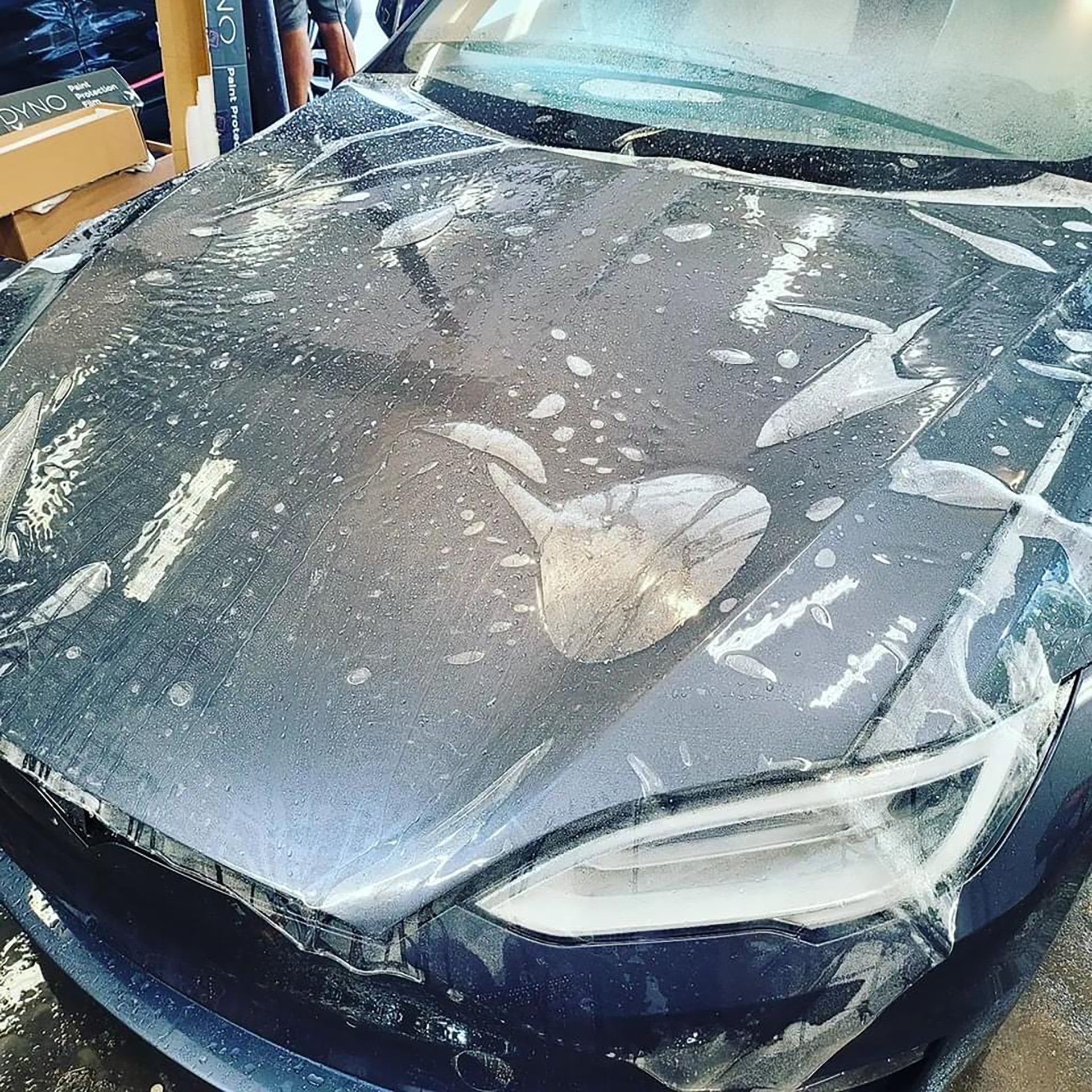
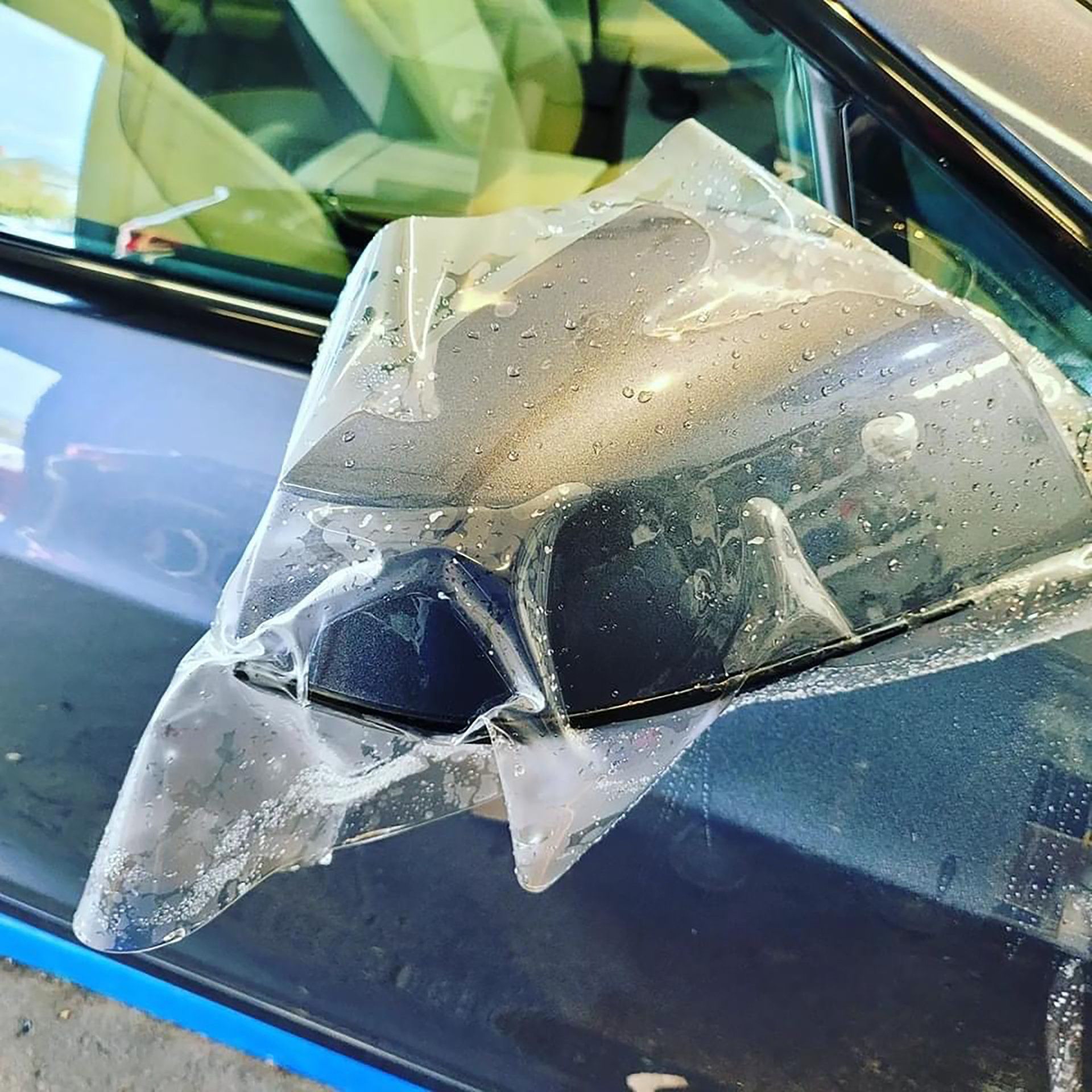
At its core, paint protection film serves as invisible armor for your car's paint. Crafted from advanced transparent polyurethane polymers, it's engineered not just to guard against physical abrasions but also to absorb and disperse harmful UV rays before they can touch the paint beneath. Unprotected automotive paint allows a significant amount of UV radiation to penetrate, which over time leads to that dreaded fading and oxidation you want to avoid. What makes modern PPF stand out is its incorporation of UV inhibitors and stabilizers within the film itself. These added chemicals help stop about 99% of UVA and UVB rays, which are the energy sources that damage the paint's structure. By doing this, PPF slows down the discoloration and chalking process that otherwise ages your vehicle prematurely.
Another important aspect is how PPF manages heat. When exposed to direct sunlight, painted surfaces can become scorching hot. Such intense heat accelerates paint degradation. PPF films maintain their adhesion and integrity under these conditions while reducing surface temperatures. This cooling effect lowers thermal stress on your paint layers and further extends their lifespan. Beyond blocking UV rays, PPF also possesses self-healing properties that repair minor scratches when warmed by sunlight or hot water. This feature keeps your car looking pristine with minimal upkeep, as those superficial blemishes simply vanish over time without manual polishing. Proper professional installation plays a vital role in the effectiveness of this UV protection shield. An expertly applied film ensures no bubbles or seams allow for vulnerabilities where UV rays could sneak through or dirt might gather. Considering the benefits, like retained resale value and fewer costly repaint jobs, investing in quality PPF and installation is a practical choice for anyone serious about protecting their vehicle in hot climate regions.
Types of Paint Protection Films
Paint protection film primarily comes in two main varieties, each crafted with specific materials and technologies that cater to different protection priorities.
- Thermoplastic Polyurethane (TPU) Film: The most common type is Thermoplastic Polyurethane film, valued for its flexibility and remarkable ability to self-heal minor scratches over time. This material forms a resilient barrier that guards against abrasions, stone chips, and everyday wear, preserving the vehicle's fresh paint look even after years under intense sunlight. What makes thermoplastic polyurethane stand out is not just its toughness but also its elasticity. It molds well over complex curves and edges of vehicles, ensuring seamless coverage without lifting or curling. Importantly, this film maintains excellent optical clarity, which means it won't dull or distort your car's paint finish. For drivers in hot climates, TPU acts like an invisible shield that keeps UV rays from breaking down clear coats or causing premature fading. Its self-healing property adds another layer of convenience: small scratches caused by branches or washing fade away with time and heat exposure, minimizing maintenance needs.
- Ceramic-Infused PPF: For those seeking enhanced heat resistance and stronger UV protection, ceramic-infused PPF presents an appealing upgrade. Some manufacturers have added ceramic particles to their PPF, providing better protection against heat and UV damage, which is especially important in areas with a lot of sun. The ceramic infusion creates a hydrophobic surface as well, significantly reducing water spots and dust accumulation by repelling moisture and dirt more effectively than standard films. This ceramic layer doesn't just contribute to better heat management; it also intensely strengthens UV defense, helping protect paint vibrancy over long periods without yellowing or degradation. The glossy effect these films provide enhances your vehicle's shine, often offering a visual boost that rivals aftermarket waxes or coatings. However, this premium feature generally comes with an increased cost due to the advanced materials and manufacturing processes involved. When choosing between these types of PPFs for hot climate regions, consider your daily driving conditions. If you're looking for solid all-around protection at a reasonable price with proven reliability, thermoplastic polyurethane films serve exceptionally well. Meanwhile, if your priority is maximum thermal management and superior UV shielding (and you don't mind investing a bit more), the ceramic-infused variant offers cutting-edge benefits that can extend your vehicle's aesthetic lifespan even further.
Professional Installation Matters
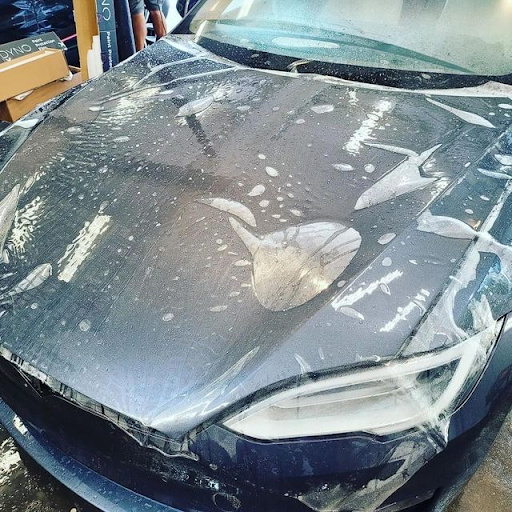
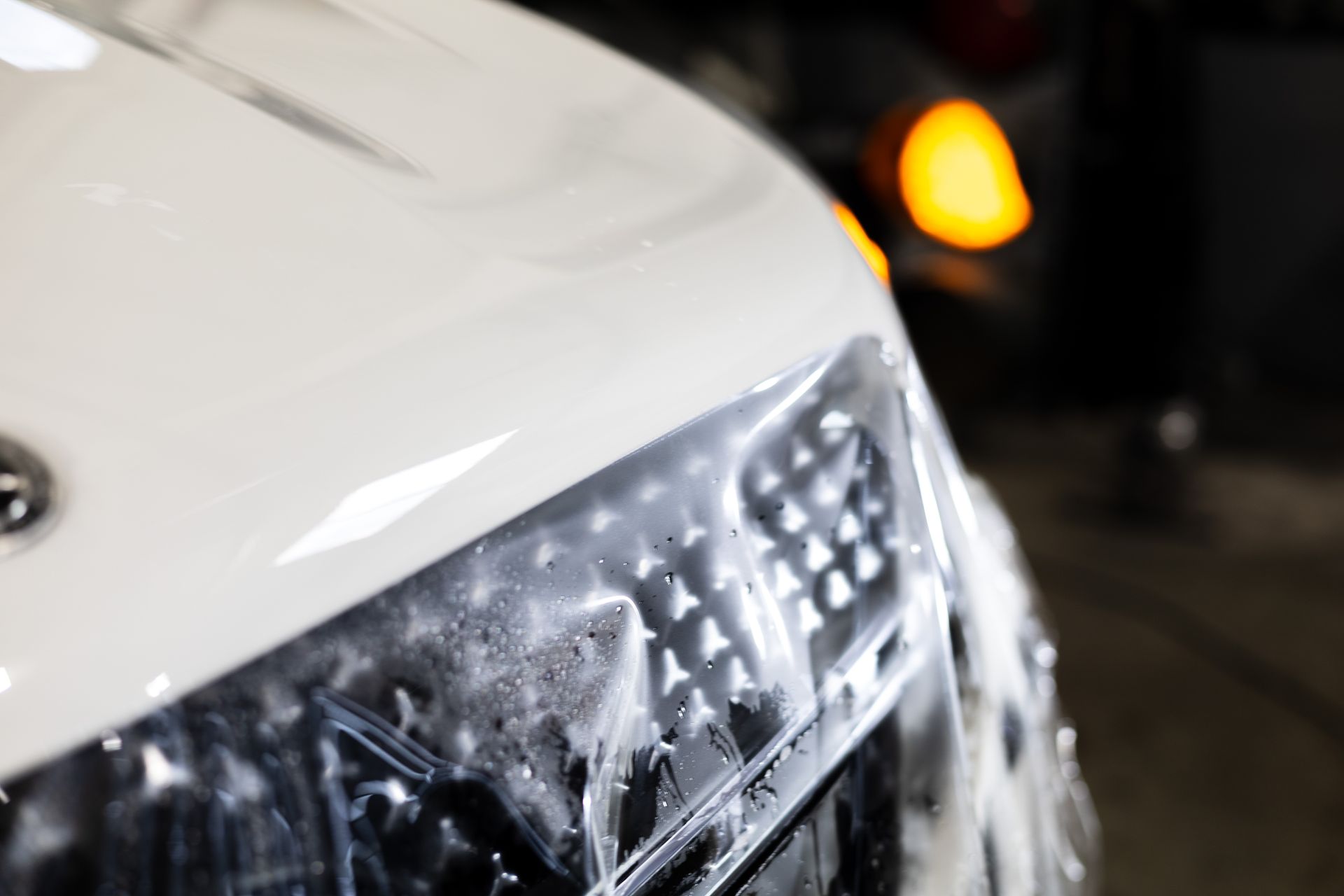
Proper application is the foundation that determines how well your PPF performs over time. Flaws like bubbles, wrinkles, or poor alignment can sabotage even the best-quality film. This is why professional installation is highly recommended. Experienced technicians bring precision and care, using specialized tools and techniques to ensure each inch of film hugs your vehicle's contours perfectly. The process begins with a thorough cleaning of the vehicle's surface. This means more than a simple wash; any dirt, dust, or tiny debris left behind can cause bumps or scratches beneath the film.
Following this, an alcohol-based solution is applied to remove any oils or residues that might interfere with the adhesive. Next comes the moment of precision: aligning the PPF on the car's surface. Starting with areas most susceptible to impact (like the front bumper and hood), the installer carefully positions the film before locking it into place. Using a rubber squeegee, they systematically push out trapped air bubbles and excess moisture beneath the film. Once applied, it's important to let the film cure undisturbed for at least 48 hours. During this period, the adhesive strengthens its bond with the car paint, ensuring maximum durability and allowing self-healing properties to activate effectively.
Maintaining Your PPF Investment
Proper maintenance preserves the effectiveness of your paint protection film over the years. Washing your vehicle regularly with a pH-neutral soap helps prevent dirt and grime from embedding into the film's surface. These mild formulations clean thoroughly without stripping away any protective layers or leaving harsh residues that might degrade the material. It's important to be mindful of what not to use. Abrasive cleaners, rough brushes, or even coarse sponges can leave tiny scratches and abrasions that weaken PPF's clear barrier. Instead, soft microfiber cloths and gentle sponges are the tools of choice.
Many professionals recommend adding a ceramic coating layer on top of the PPF. This combination creates a synergistic effect: while PPF physically shields your paint from chips and UV rays, ceramic coatings bring hydrophobic properties and enhanced UV resistance, making water bead up and slide off effortlessly. In hot climates, this dual defense significantly extends the life of both paint and film. Keep a close eye on common trouble spots such as edges and high-impact zones like bumpers or door sills where heat exposure and physical wear can cause gradual peeling or lifting. Checking these areas every three to six months lets you catch minor issues before they develop into costly repairs. Remember environmental factors in maintaining PPF longevity, especially in regions with intense sun exposure. Parking in shaded areas whenever possible reduces UV degradation and heat stress, helping maintain the film's flexibility and clarity.
Protect Your Investment Today
Protect your vehicle’s finish with Every Detail’s
premier paint protection film services in Portland, ME. Our skilled team specializes in applying cutting-edge film that creates an invisible barrier against scratches, chips, and environmental damage, ensuring your car maintains its stunning appearance for years to come. Don’t let everyday wear and tear diminish your investment; take action today to preserve your vehicle’s beauty and integrity.
Reach out now to schedule your appointment and experience the ultimate defense for your ride!