
Best Aftercare Routine for Installed Paint Protection Film: Maintenance Tips and Guide
Protecting your car's paint is one thing, but keeping that protection looking great and doing its job takes some know-how. Paint protection film (PPF) does a fantastic job shielding your vehicle from scratches, chips, and harmful UV rays, but without the right care after installation, even this tough layer can run into trouble. In this guide, we'll walk you through essential aftercare tips to help you keep your PPF clear and durable for years to come, saving you time, money, and frustration down the road. The best aftercare routine for newly installed paint protection film involves avoiding exposure to water, chemicals, or physical friction for at least the first 48 hours to ensure proper adhesive curing. After this initial period, maintain the PPF by hand washing with pH-neutral automotive shampoo and microfiber towels, avoid abrasive cleaners or harsh chemicals, dry with clean microfiber towels to prevent spotting, and consider applying a ceramic coating after one week to enhance protection and simplify maintenance.
Importance of Paint Protection Film
Paint protection film is more than just a cosmetic upgrade; it's a practical investment that acts as an invisible armor around your vehicle. Imagine driving down a gravel road or parking under trees where bird droppings and sap can fall. They all pose threats to your car's finish. Paint protection film catches these hazards before they ever touch the paint underneath. Without this layer, even minor scratches or chips can quickly become unsightly blemishes or lead to corrosion over time. What's truly impressive is how PPF isn't just a passive barrier. It actively works to preserve your car's appearance and value. Modern formulations come equipped with self-healing properties, meaning small abrasions can disappear on their own when exposed to warmth, such as sunlight. This feature reduces frequent maintenance worries that typically come with traditional clear coats or waxes.
Vehicles protected by high-quality PPF retain their original paint condition significantly better than those without, which translates into maintaining that fresh-off-the-lot look far longer. This level of protection naturally leads to higher resale values. Estimates suggest protected vehicles can see notable increases in value compared to non-protected vehicles because buyers recognize the less-worn appearance and structural integrity beneath. For owners, the protection means preserving pride of ownership while safeguarding financial investment. But here's where the story shifts: protecting your investment depends heavily on how you care for the film after installation. Despite its durability, PPF requires thoughtful maintenance, especially during those crucial first days when adhesive bonds are setting and tiny bubbles might still be evaporating. Skipping simple yet critical steps can compromise adhesion and reduce longevity dramatically.
Post-Installation Precautions
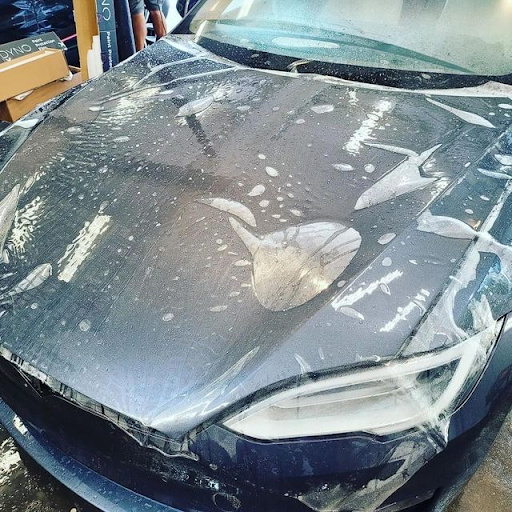
The first 48 hours after paint protection film installation demand particular caution because this is when the adhesive is bonding most intensely with your vehicle's surface. During this time, even small mistakes can compromise the film's durability and appearance. For example, exposing the freshly installed PPF to water or moisture too soon may trap humidity beneath the layer, creating bubbles or spots that mar the flawless finish you want. This trapped moisture doesn't evaporate quickly; under certain conditions, it can take up to a week, so patience during this phase is essential. Equally important is avoiding any physical pressure on the film. It's tempting to poke or press air bubbles out immediately after installation, but that pressure can weaken the adhesive bond or cause permanent curling around edges. Think of it like still-wet glue. Disturbing it before it sets means your project won't hold together well. It's best to let those tiny imperfections settle and naturally dissipate or be adjusted by professionals later if needed. Environmental factors also play a subtle yet vital role.
Direct sunlight and heat above about 120°F during these early days can accelerate drying unevenly or soften the adhesive, leading to premature lifting or wrinkling of the film edges. Storing your vehicle indoors or in shaded areas shields it from temperature extremes. If you live in a hot climate, avoiding midday sun exposure in these first days after application is not just advisable; it's necessary. Finally, it is imperative to avoid chemical exposure during this delicate period. Applying waxes, sealants, or other detailing products may introduce solvents that interfere with curing and adhesion. Even routine car washes are better postponed until those initial days have passed so you don't inadvertently jeopardize the longevity of your investment. Many professionals emphasize patience here as one of the greatest virtues in PPF maintenance. By letting the film fully settle and cure undisturbed, you ensure that all subsequent cleaning and protective measures build upon a solid base rather than attempting to correct early mistakes caused by haste. As a rule of thumb, think of the first 48 to 72 hours after installation as an invisible handshake between your car's paint and the PPF. The stronger and calmer this handshake, the longer your film will maintain its protective powers and clear shine without bubbling or peeling.
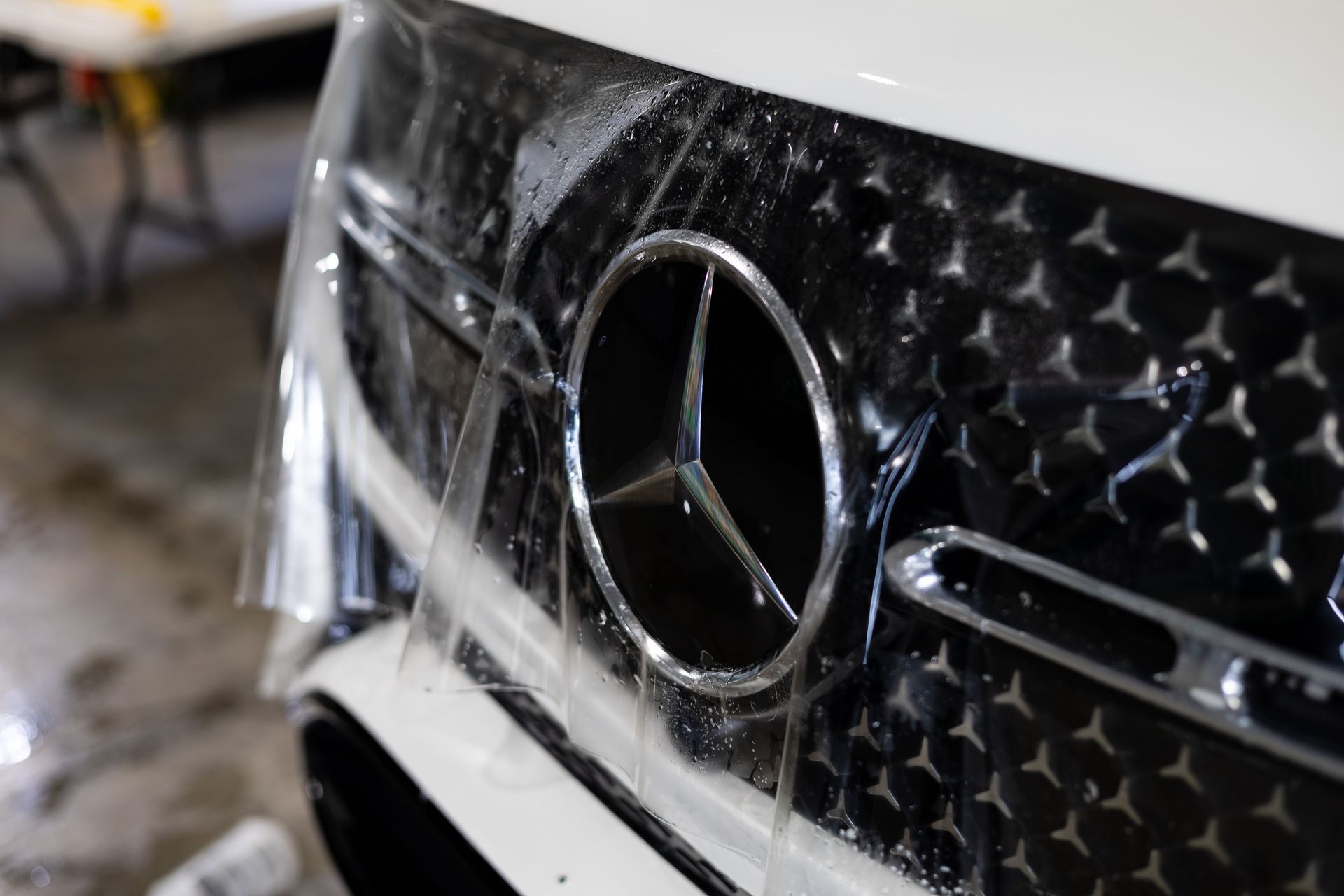
Safe Cleaning Techniques
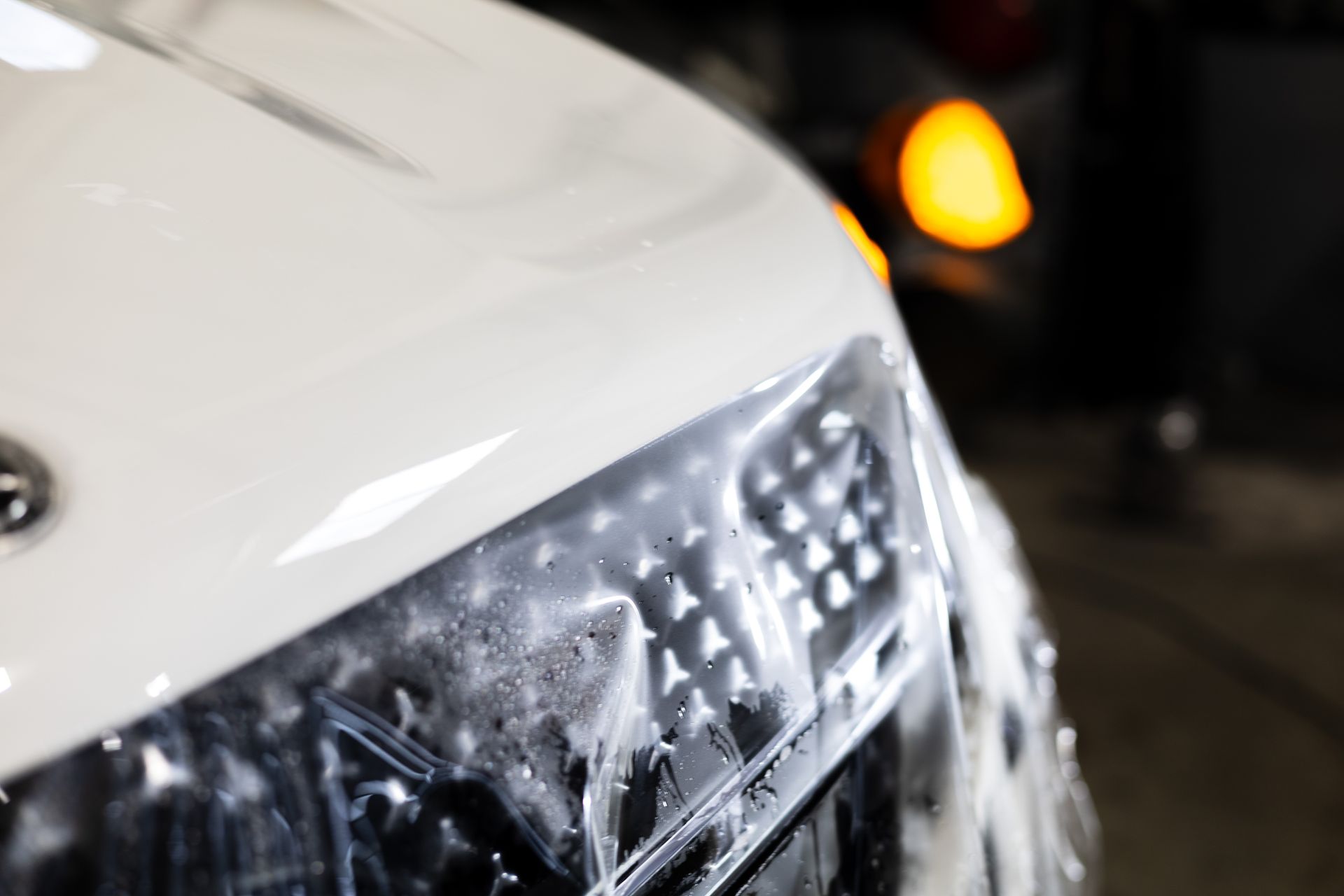
Maintaining the pristine look and protective qualities of your paint protection film depends heavily on how you clean it. This isn't just a matter of wiping dirt away casually. PPF is a delicate shield that requires thoughtful care. Using harsh chemicals or abrasive tools can cause micro-scratches or degrade the self-healing topcoat, which over time dulls its clarity and reduces its effectiveness. To start, always choose a pH-neutral automotive shampoo, ideally with a pH range between 6 and 8. This helps maintain the chemical balance on the film surface without stripping away protective layers. Avoid soaps containing ammonia, bleach, or solvents because they can weaken the adhesive bond or cloud the film's finish. When mixing shampoo, stick with lukewarm water, around 68°F to 86°F, since very hot or cold water could stress or distort the film.
Next, when washing your car, use the proven two-bucket method. One bucket holds your soapy water, while the other contains clean rinse water. This simple step dramatically reduces the amount of grit recirculating onto your paint protection layer. In other words, you're not dragging tiny particles across your film that can cause scratches. Use microfiber wash mitts because they are soft enough to avoid abrasion but effective in capturing dirt. Pressure washing is often misunderstood as too aggressive for PPF, yet when done carefully, it can be safe. Keep at least a 24-inch distance between the nozzle and vehicle surface and use a wide-angle spray pattern aimed from lower angles rather than directly at edges, which could lift the corners of your film prematurely. Manual hand washes are generally preferred for control. After rinsing, don't leave water to air dry on the film. It evaporates but deposits minerals, leading to spots that are difficult to remove later without extra scrubbing. Instead, use a clean, soft microfiber towel and gently blot or lightly swipe in one direction instead of rubbing vigorously. Alternatively, filtered air dryers designed for automotive detailing work wonderfully by pushing water off surfaces without any physical contact, thus preserving film integrity perfectly.
Preventing UV Damage and Scratches
Paint protection film is remarkably durable but not invincible, especially under relentless ultraviolet rays. These rays gradually degrade the polymer materials in the film, causing yellowing, brittleness, and loss of clarity over time. While most high-quality films block a significant amount of UV radiation, proactive protection remains essential. One highly effective strategy is applying a UV protectant spray designed specifically for PPF. These sprays form a transparent shield that absorbs or reflects UV light, significantly slowing the film's aging process. Many sprays include hydrophobic properties to repel dirt and water, easing maintenance. Using general automotive waxes or sealants containing oils and solvents can damage the film by breaking down its topcoat or attracting debris along edges where dirt tends to accumulate. Therefore, choosing products explicitly certified safe for PPF is critical to preserving clarity and adhesion.
While shielding your vehicle from UV rays is crucial, protecting it against scratches requires equally deliberate attention to cleaning methods and surface handling. Scratches represent the most common cosmetic threat to PPF. However, many modern films feature self-healing properties activated by warmth. Sunlight or gentle heat allows minor swirl marks and scratches to fade as the polymer structure relaxes and reforms. Still, this does not grant immunity from damage; improper cleaning or rough contact can leave lasting marks. Always use gentle cleaning tools such as soft microfiber towels and pH-neutral shampoos combined with dual-bucket washing methods that minimize abrasives.
Avoid automated car washes with brushes that cause micro-scratches; these tiny damages accumulate invisibly until the film appears dull. If pressure washing is necessary, keep at least two feet of distance and use wide-angle sprays directed from below instead of overhead to prevent edge lifting or surface damage. Regularly inspect trouble spots like door handles, wheel arches, and hood edges where friction and debris buildup occur most often. Early spotting of minor defects or edge lifting allows prompt professional repair before dirt or moisture worsens adhesion problems. DIY fixes such as pulling up corners or trimming edges with knives should be avoided as they increase the risk of paint damage; only trained specialists should perform these repairs safely.
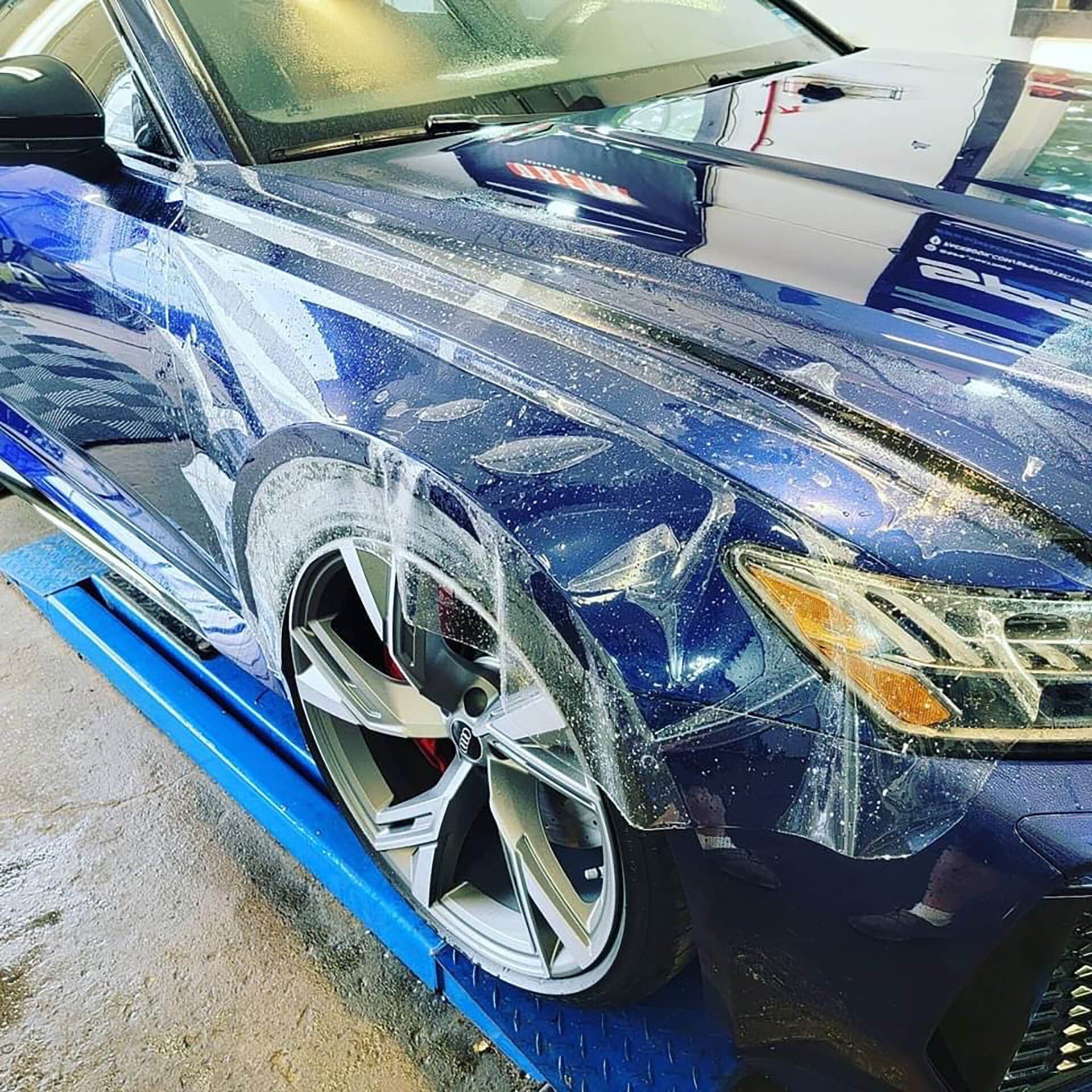
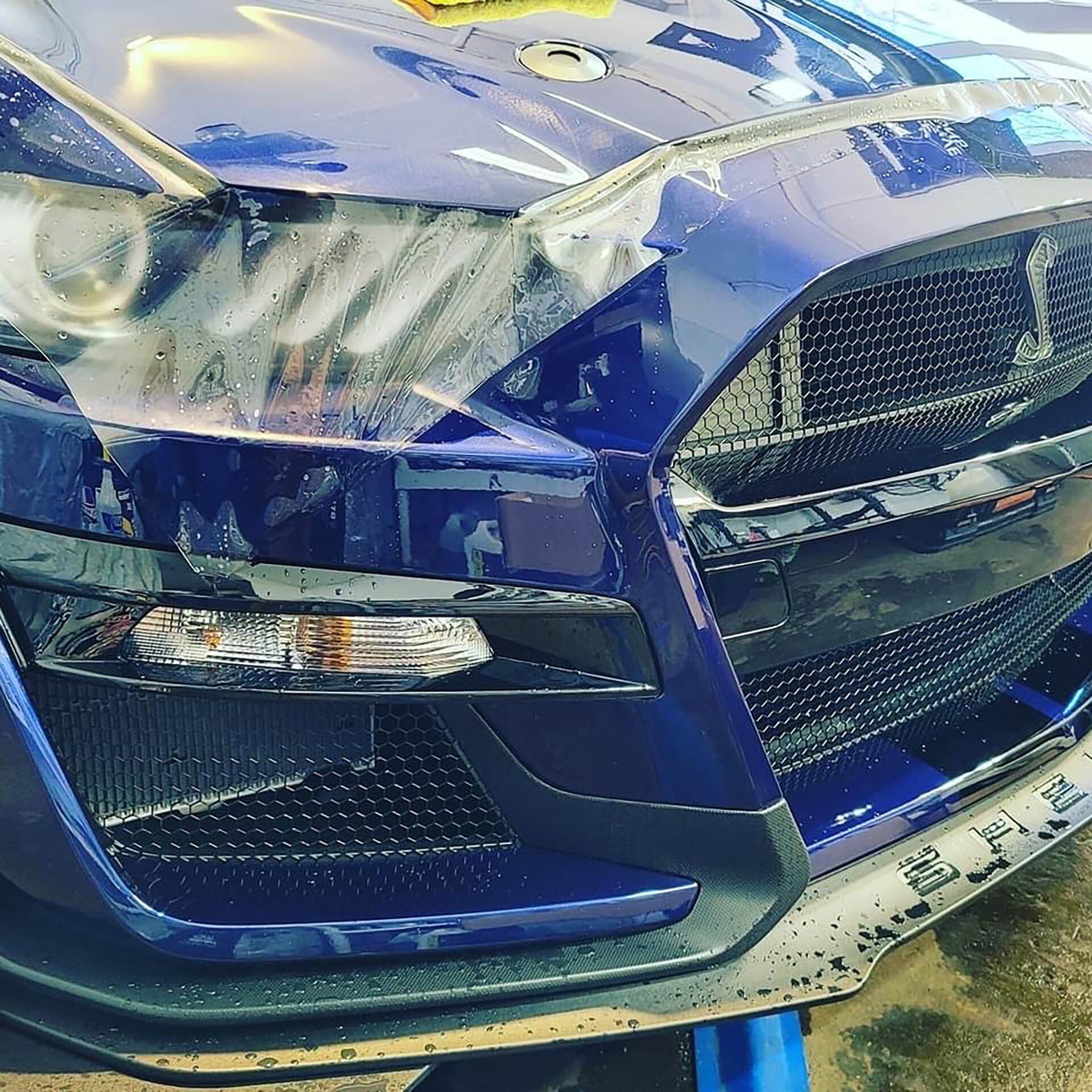
Maximizing PPF Longevity
Maintaining the longevity of your paint protection film hinges on combining routine care with proactive prevention. Regular attention helps you catch small problems before they escalate and preserves the film's ability to shield your vehicle's paint for a decade or longer. One essential practice is inspecting areas susceptible to wear, such as door handles, wheel arches, and lower edges, since these zones often show early signs of edge lifting. When you notice even slight lifting at the edges, it's tempting to try a quick fix yourself, perhaps trimming or peeling back the film. However, this approach usually does more harm than good. DIY attempts can damage both the film and the underlying paint. The safest route is to contact professionals who specialize in PPF repair; they have tools and techniques that ensure lasting adhesion without compromising your vehicle's finish.
Beyond edge care, establishing a consistent wash-and-dry routine is fundamental. Ideally, washing your car every one to two weeks prevents stubborn accumulation of dirt and contaminants while minimizing abrasive cleaning motions that could degrade the film's surface. Use lukewarm water paired with pH-neutral shampoos designed for automotive finishes. These protect both the self-healing properties and clarity of the topcoat. There's some debate about whether applying ceramic coatings over PPF offers meaningful benefits. While some purists argue it's unnecessary, many believe these coatings add an extra hydrophobic layer that repels water and dirt more effectively. This additional barrier reduces cleaning frequency and lowers the risk of staining or minor scratches, extending maintenance intervals and ultimately protecting the film itself. Using a monthly UV protectant spray further guards against sun damage that can cause premature yellowing or brittleness. With proper care, UV resistance can last many years, especially in sunny climates or regions with intense seasonal sun exposure.
Additionally, drying after washing should never be overlooked. Allowing water to air dry invites mineral deposits that leave unsightly spots and potentially weaken clarity over time. Instead, using plush microfiber towels or filtered air dryers efficiently removes moisture without scratching the surface. Finally, plan for a professional inspection annually. Experts look beyond surface issues. They check adhesion strength, self-healing effectiveness, and any subtle structural vulnerabilities that can be missed by casual observation. Early corrections at this stage avoid costly repairs or premature film replacement down the road. With diligent care following installation, Paint protection film can remain nearly invisible while effectively shielding your vehicle for many years. Investing time in maintenance is investing in preserving your car's beauty and resale value over the long haul.
Expert PPF Installation in Portland, ME
Proper aftercare keeps paint protection film performing at its best, but lasting results begin with expert installation. Every Detail offers
professional paint protection film services in Portland, ME, using precise installation techniques and controlled environments to ensure strong adhesion, clean edges, and long-term clarity. Their team takes the time to install PPF correctly from day one, making ongoing maintenance easier and more effective for years to come.
Schedule your paint protection film service with Every Detail today and protect your vehicle with confidence from the very first mile!