
Paint Protection Film for High-Performance Cars: What to Expect on Installation and Durability
Owning a high-performance car is thrilling, but keeping its flawless paint safe from everyday hazards can be a real challenge. That's where paint protection film (PPF) comes in, serving as a clear shield that quietly guards your vehicle without changing how it looks or feels on the road. Understanding the details of PPF for these precision machines, from materials and installation to maintenance and cost, reveals why this invisible armor is often a smart choice for drivers who want their cars to stay as sharp as the day they hit the showroom.
Understanding PPF for High-Performance Vehicles
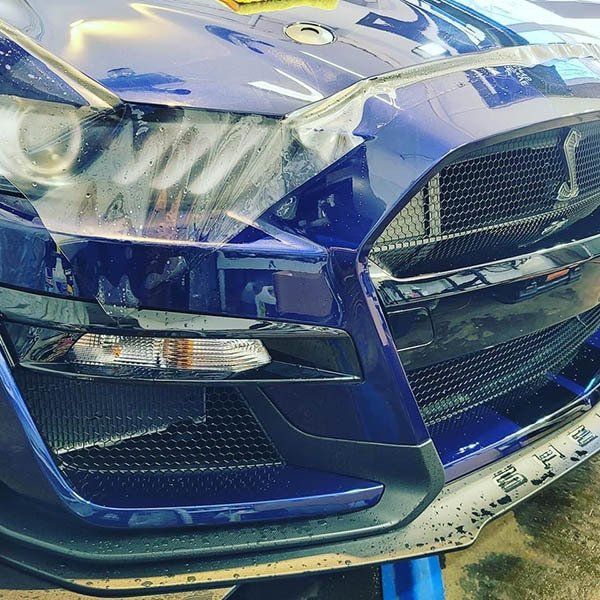
High-performance cars represent more than raw power; they embody precision engineering and exceptional aesthetics. The paint on these vehicles often features a finely tuned finish that's delicate, expensive, and vulnerable to damage from road grit, insects, and harsh weather. PPF acts as a nearly invisible shield, absorbing impacts that would otherwise chip or scratch the paintwork. Its primary role is preserving that flawless appearance without altering the car's look or aerodynamics.
What sets PPF for high-performance cars apart is its combination of flexibility and toughness. Unlike ordinary paint protection solutions, PPF must conform precisely to complex curves, vents, and sharp edges typical of these vehicles. The film thickness usually ranges between 6 and 8 mils, which balances durability with ease of installation and visual subtlety. Advanced films feature self-healing capabilities, where minor scratches can disappear within days when exposed to heat or sunlight, demonstrating how tailored this technology has become for owners who demand perfection.
The interaction between the film's surface and environmental factors significantly influences performance and longevity. Premium PPF incorporates hydrophobic coatings that resist water spots and grime buildup, making maintenance simpler for owners who want their cars showroom-ready every day. With UV resistance exceeding 99%, the film protects against color fading and degradation caused by intense sunlight exposure, a common challenge for sports cars driven on sunny tracks or open highways. Additionally, stain-resistant features defend against damaging substances like bird droppings, road salt, and tar, which can deteriorate unprotected paint over time.
Key Benefits of Paint Protection Film
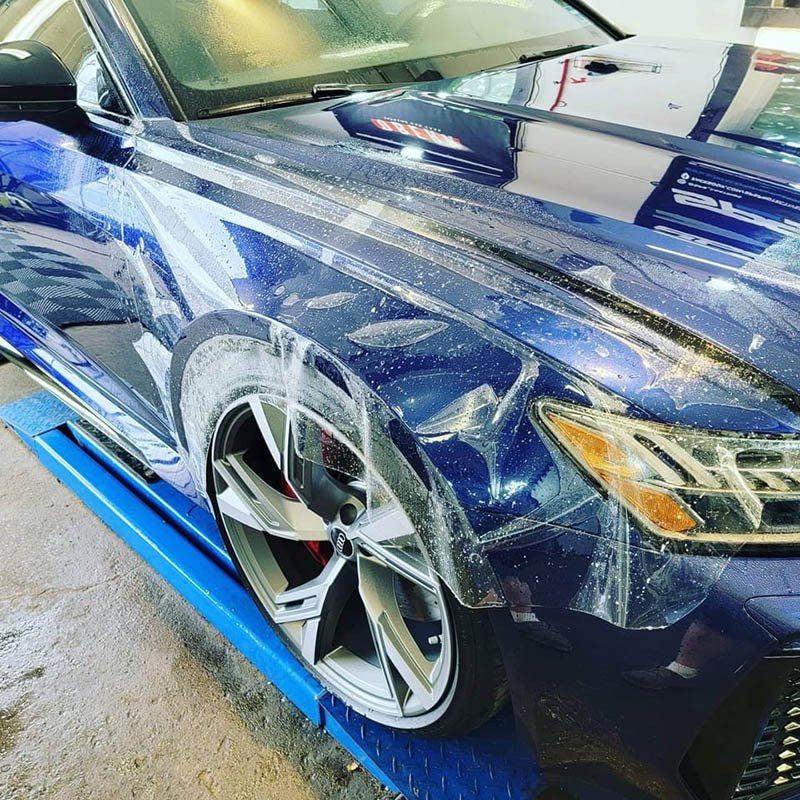
One of the primary advantages of PPF is its ability to guard your car against physical damage. Consider the countless invisible threats that impact your vehicle daily: small rocks from the road, debris, and minor scratches that accumulate over time. For exotic and luxury cars with delicate paint finishes, these small abrasions can quickly become costly repairs or blemishes that lower the vehicle's appeal. The durable thermoplastic polyurethane (TPU) film acts like a second skin, absorbing these impacts before they reach the paintwork underneath. This protection ensures that even after long drives on rough roads or highways covered with gravel, your car's surface remains remarkably intact.
Maintaining your car's original glossy finish is another compelling reason owners choose PPF. Since the film prevents swirl marks and fading caused by UV rays, it keeps paint looking fresh and new for years. This preservation extends beyond pride of ownership; it translates into real financial value. Vehicles protected with professionally installed PPF tend to command higher resale prices because buyers recognize the care invested in maintaining pristine paintwork. A well-protected exterior offers both an aesthetic edge and safeguards your investment by preventing premature paint wear. When it comes to everyday usability and upkeep, PPF proves its value once again. Premium films with hydrophobic coatings make cleaning significantly easier. Dried mud doesn't cling stubbornly to surfaces, bug splatters wipe off without harsh scrubbing, and rainwater beads up instead of leaving unsightly marks. This hydrophobic nature saves time and reduces the need for aggressive cleaning products or tools that could inadvertently damage your paint.
Types and Features of PPF
Paint protection film comes in various types, each catering to different needs while balancing protection, aesthetics, and maintenance requirements. Standard PPF provides fundamental protection against everyday wear like minor scratches or small rock chips. This type serves well if your driving conditions are moderate and you want straightforward barrier protection. Self-healing PPF represents a significant advancement in protective technology. These films contain polymers that react to heat, whether from sunlight or gentle warming, to effectively erase light scratches over time. This means incidental scuffs from branches or car washes don't permanently mar your finish. For drivers who demand long-lasting beauty with minimal upkeep, this feature proves invaluable.
Hydrophobic PPF takes protection further by incorporating water-repelling properties. Rain and dirt slide off effortlessly, reducing water spots and grime buildup. This property preserves the clarity and gloss of your paint while cutting down on maintenance time, a practical benefit for busy owners of high-performance vehicles. For those prioritizing style alongside function, matte PPF offers an intriguing alternative to traditional glossy films. It provides your car with a sleek, non-reflective surface that stands out without compromising protection. Many sports car enthusiasts choose matte finishes to complement their vehicle's aggressive lines while maintaining defense against road hazards.
The Installation Process
Installing PPF on a high-performance car demands precision, patience, and specialized techniques to ensure the flawless finish owners expect. The process begins with meticulous surface preparation, arguably the most critical step. Before any film application, the vehicle must be thoroughly cleaned and polished. Even minute traces of dirt, oils, or old wax can trap air or cause bubbles beneath the film, leading to imperfections that compromise both appearance and protective qualities. Professional installers use automotive detergents combined with clay bars and microfiber towels to eliminate contaminants completely, creating an ideal surface for flawless film adhesion. Modern digital technology enables custom cutting, where precise measurements of each panel are fed into cutting machines that create exact templates for every curve and crease. This approach minimizes the risk of paint damage and ensures accuracy, particularly important for high-end cars where even small misalignments become glaringly apparent.
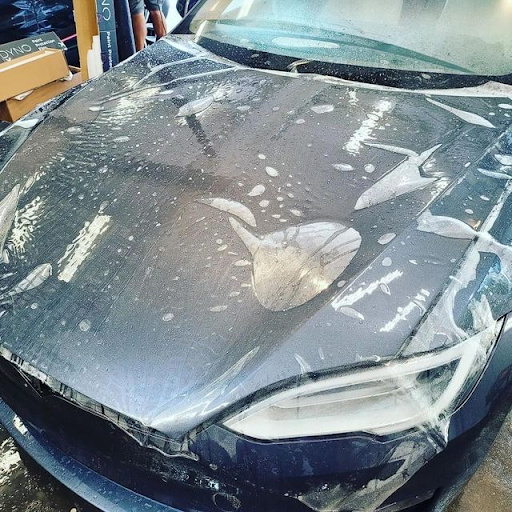
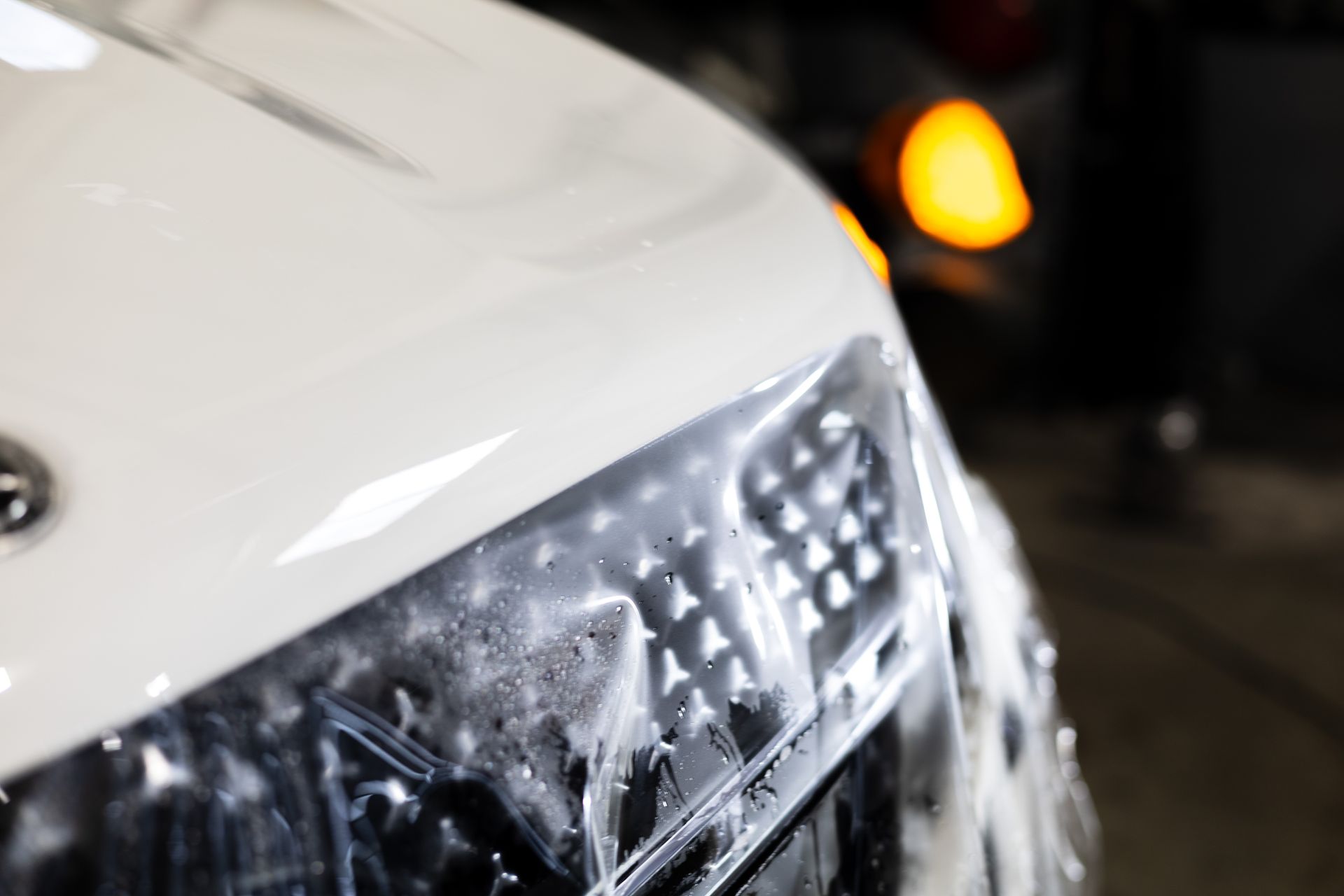
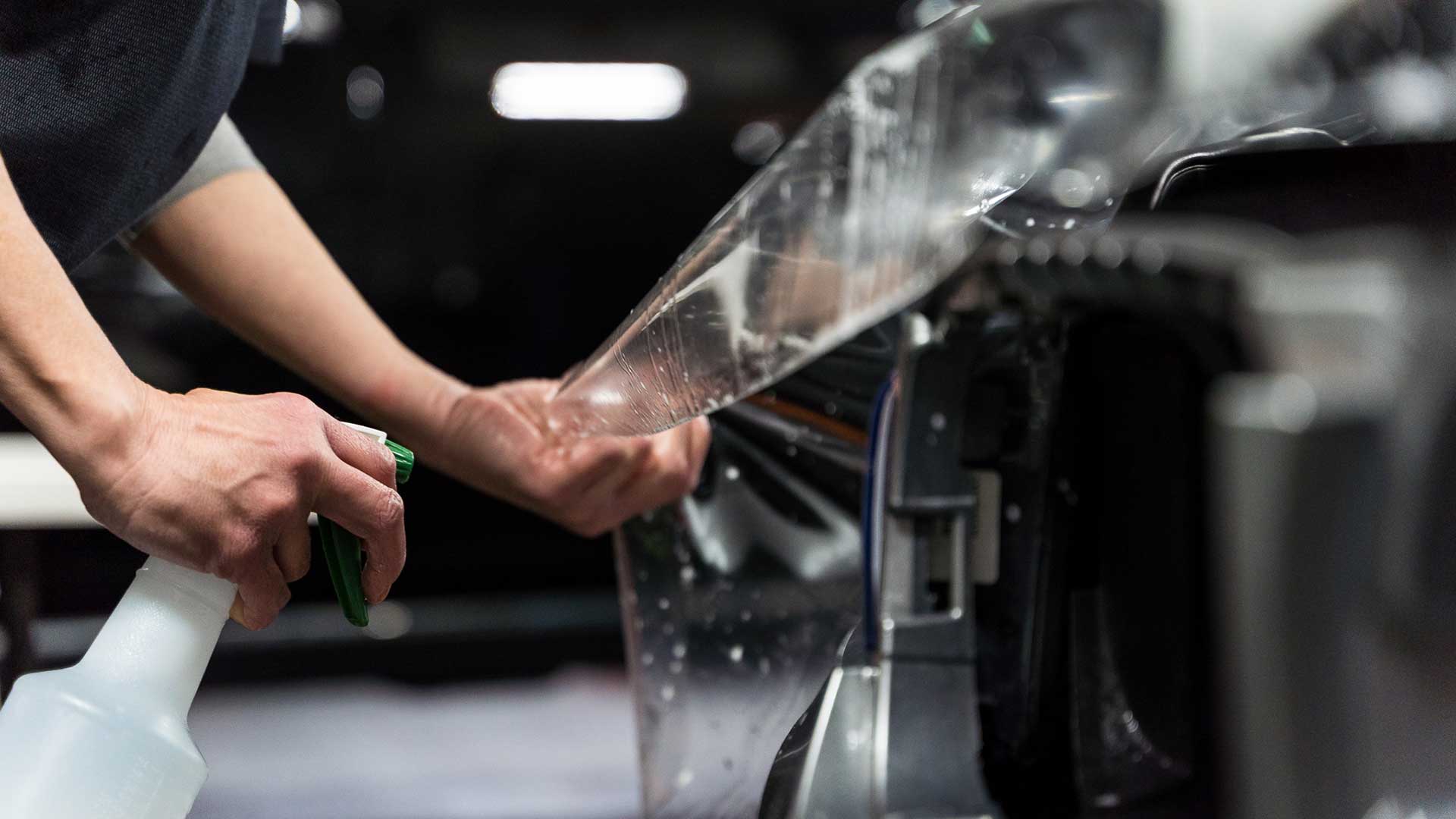
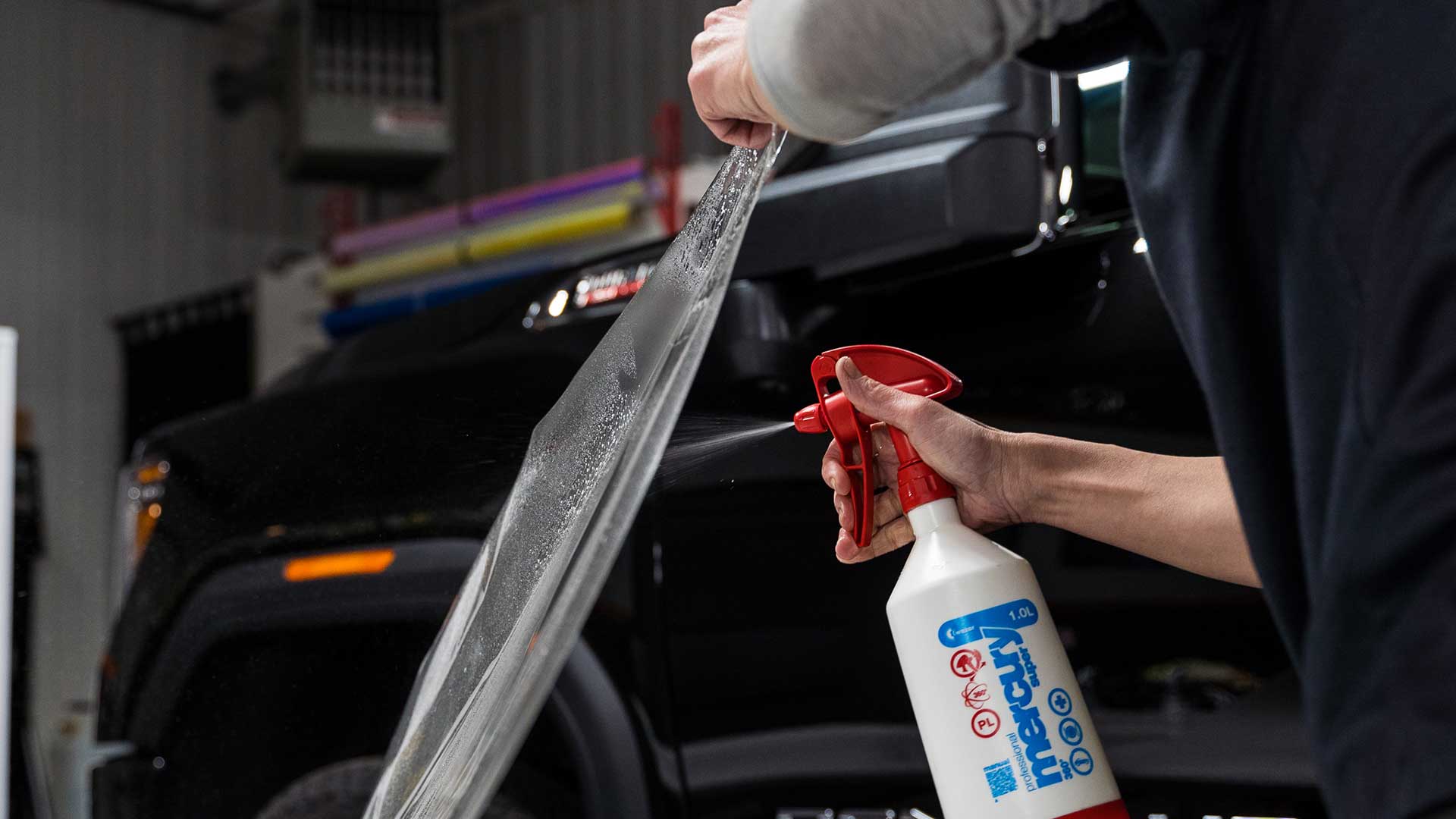
The application process employs what professionals call the wet method. Both the vehicle's surface and the adhesive side of the film receive a spray of mild soap solution that acts as a lubricant. This allows installers to slide and reposition the PPF until alignment is perfect. Using specialized squeegees designed for curves and contours, technicians patiently remove all excess liquid and air bubbles. Heat application helps the film conform snugly around complex shapes like bumpers or side mirrors without creasing or lifting. The finishing process involves creating wrap-around edges where possible. Instead of stopping abruptly at panel borders, skilled installers tuck or fold edges underneath body parts for seamless coverage. Proper heating along these edges ensures strong adhesion while preventing future peeling or moisture intrusion, key factors in maintaining the film's protective integrity over time.
Professional vs. DIY Installation
Choosing between professional installation and doing it yourself involves more than budget considerations. Professional installers bring years of expertise that translates into precise cuts perfectly tailored to your car's unique contours. They work in controlled environments where temperature and humidity are optimized, critical factors since even slight variations during application can create bubbles or wrinkles that compromise both appearance and protection. Professionals have access to premium films featuring superior clarity and self-healing properties. Custom pre-cut kits designed for specific models reduce guesswork dramatically, resulting in a consistently smooth and long-lasting finish that ensures your investment receives optimal protection.
DIY kits attract attention due to their lower upfront cost. However, achieving a bubble-free, wrinkle-free application demands meticulous surface preparation, steady hands, and skillful use of specialized tools. Without these skills, trapped air pockets or peeling edges often compromise the protective layer, risking damage to the very paint you're trying to shield. Many DIY installers underestimate the additional equipment needed beyond the basic kit, and these added expenses can reduce initial savings significantly. For car owners who value a flawless finish without stress or steep learning curves, professional installation generally proves the safer investment despite the higher initial cost. The peace of mind from warranty coverage and expert application far outweighs upfront savings for most owners.
Maintenance and Longevity
Proper maintenance is essential for ensuring your PPF remains effective and keeps your high-performance car looking flawless. Always use pH-neutral car shampoos specifically formulated for urethane films. These gentle cleansers protect the film's chemistry while effectively removing dirt and grime without causing micro-abrasions or degrading adhesives. Avoid abrasive sponges or brushes that might scratch or dull the surface. Instead, use soft microfiber mitts or towels for washing and drying. Regular washing every one to two weeks, adjusted based on driving conditions, helps maintain the film's appearance. Act quickly to remove contaminants like bird droppings or tree sap, as these substances can etch into the film if left unattended, leading to permanent marks.
Regular inspections for signs of edge lifting, bubbling, yellowing, or discoloration allow you to address problems while they remain minor. Environmental factors like intense sun exposure, humidity, and road salts contribute to wear over time. Professional consultations can refresh areas through reconditioning treatments that restore gloss and smoothness before damage spreads. When properly maintained with certified installation and diligent upkeep, quality paint protection films typically last between seven to ten years. However, neglecting maintenance can dramatically accelerate deterioration, sometimes shortening life spans to as little as three to five years. This range underscores how your maintenance effort directly impacts the durability of this protective layer.
Making the Investment Decision
The initial investment for installing paint protection film often causes hesitation, especially with prices ranging from several hundred to several thousand dollars depending on coverage extent. However, this upfront expense becomes sensible when balanced against potential savings on paint repairs, which often cost hundreds or thousands of dollars after encounters with road debris or minor accidents. For high-performance cars whose value depends on flawless appearance, preventing chips and scratches goes beyond cosmetics. It's about preserving resale value and maintaining pride of ownership. Consider the real cost of neglecting protection: stone chips often lead to localized repainting that dims your car's aesthetic and can cause inconsistent paint texture and color shifts over time. These issues frequently require extensive bodywork to fix properly, sometimes easily surpassing what PPF installation would have cost initially.
Quality installation and premium films vastly improve durability and appearance retention. While annual maintenance might require a modest investment for cleaning and minor repairs, this cost pales compared to expensive repainting. The peace of mind gained is intangible yet invaluable, especially for enthusiasts who view their cars as both daily machines and cherished investments. High-quality PPF acts as a second skin, preserving every curve and nuance of your car's design without changing its factory finish. This subtlety means owners don't compromise aesthetics for protection; they simply gain confidence that their paintwork can withstand daily wear.
Whether navigating city streets filled with construction debris or cruising mountain roads, having a resilient protective layer keeps worries at bay. For high-performance car owners who prioritize maintaining perfect paintwork and maximizing their vehicle's value, investing in quality PPF installed by skilled professionals like those at Every Detail offers tangible benefits that far outweigh the initial cost. This protective layer not only guards against physical damage but also provides priceless peace of mind on every drive through Portland's varied weather conditions and beyond.
Leading PPF Installations in Portland, ME
Protecting your vehicle’s finish has never been easier with Every Detail’s top-tier paint protection film services in Portland, ME. Their advanced PPF acts as a durable barrier against rock chips, harsh weather, and surface contaminants, helping your paint stay clean, glossy, and well-preserved through every season. With precision installation and high-quality film, you can enjoy long-term value, reduced maintenance, and a consistently sharp appearance. Secure your vehicle’s protection today by
scheduling your paint protection film service
with Every Detail and keep your ride looking exceptional year-round!